


Updated: January 2025
How to make reusable sanitary pads
Our ambassador and period poverty campaigner Amika George teaches you how.








Step-by-step guide to making reusable sanitary products
Period poverty is an injustice that World Vision and many others are fighting to end. Here, World Vision ambassador Amika George takes you through step-by-step how to make homemade, reusable sanitary pads. Read on to discover Amika’s story, how to make sustainable sanitary pads and more about the fight to end period poverty.
Amika’s story
At 17, Amika was inspired to act after learning that many British children missed school due to stigma around menstruation or being unable to afford sanitary products.
Her petition and campaigning led to the UK government’s 2019 pledge to fund free sanitary products for less affluent students in England’s secondary schools.
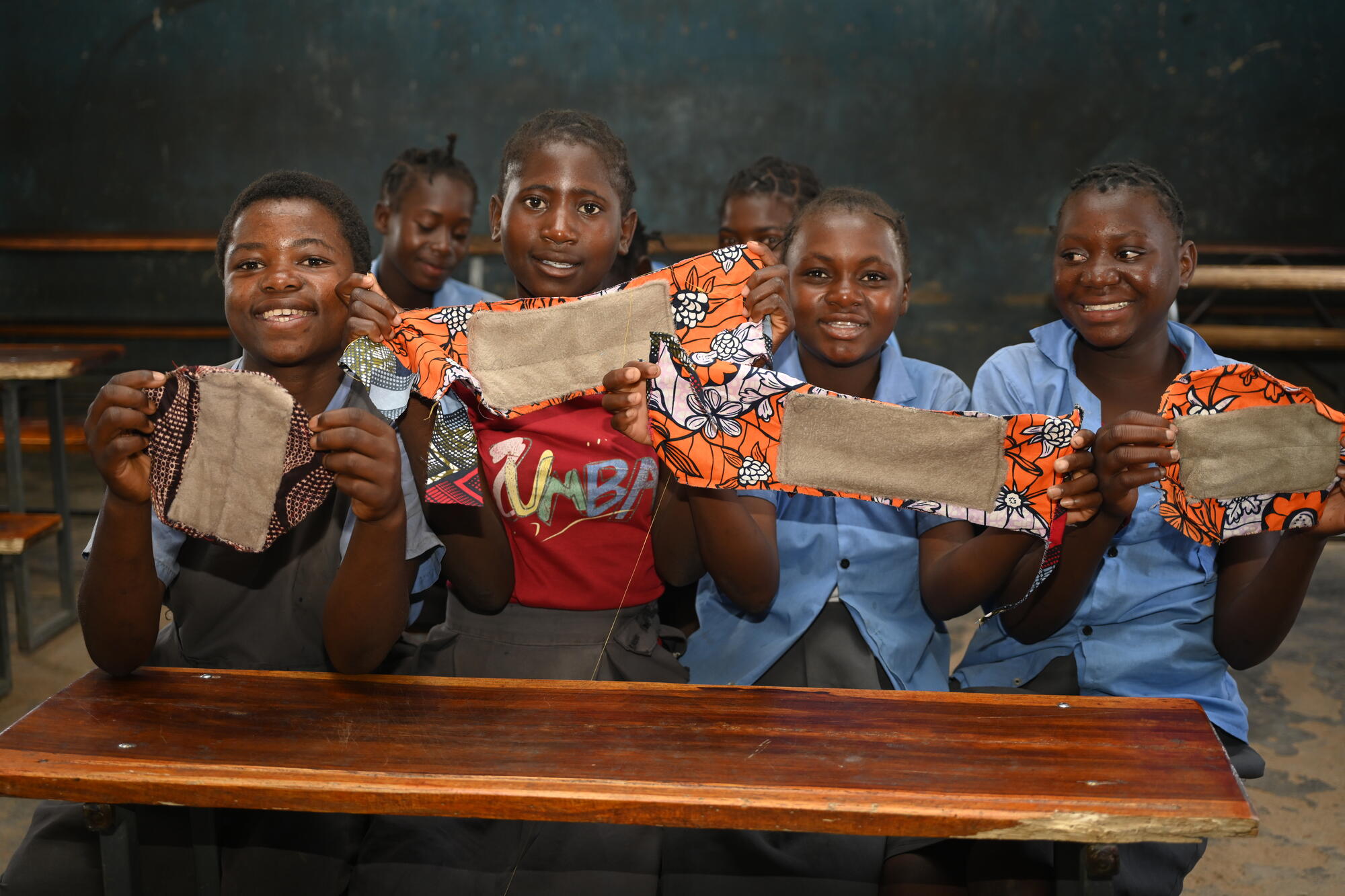
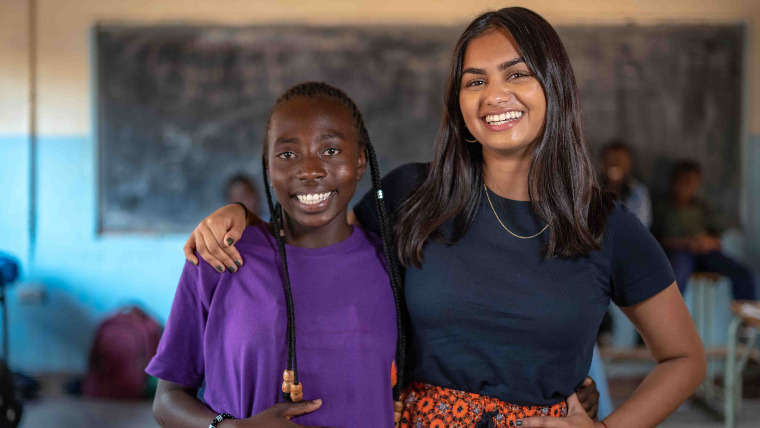
She continued advocating for period justice in the UK and globally, visiting World Vision’s menstrual hygiene project in Zambia to see the impact of period poverty internationally, and how we're supporting communities to overcome period poverty.
READ MORE: The state of period poverty around the world
How to make reusable sanitary pads
Taking just 15 minutes, using five standard household items, and lasting about 2.5 years - what’s not to love?!
What do you need to make eco-friendly, reusable sanitary pads?
Sanitary pad making is easier than you may think. In fact, you’ll only need these five items:
-
Plastic sheet (a waterproof layer, like PUL, polyurethane laminate)
-
Scissors (sharp, like you'd get in a sewing kit)
-
Needle and thread
-
Blanket (cotton batting for quilting will work, or something else absorbent like old towels or flannels)
-
Cotton sheet (ideally 100% cotton and could even be an old tee shirt. This is where the design will show)
These are the basic items you’ll need; you could always use a sewing machine instead of a needle and thread if you prefer.
Steps for sewing reusable pads
You can see the full guidance on how to make cloth pads for periods in the video above, but for the rough steps to follow you need to:
-
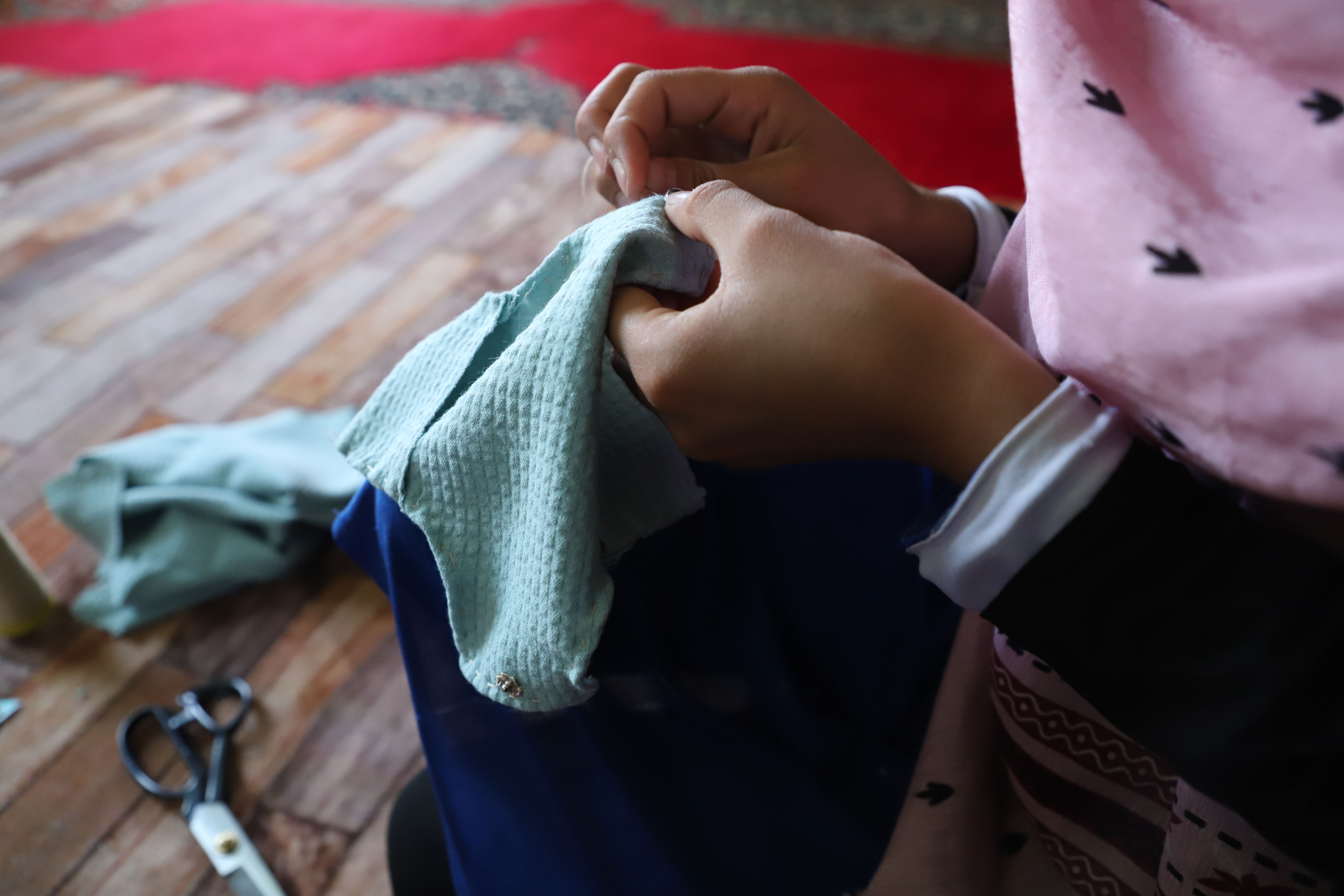
Fold your cotton sheet over and measure a rectangle shape, around the size of your hand. Cut this out.
-
Cut off the four corners in a semi-circle shape and sew the two pieces together, leaving you with an approximate octagonal piece of fabric.
-
Measure three fingers width on your plastic and cut it out to make the protective layer.
-
Wrap this plastic layer in your blanket and sew to contain it
-
Sew your blanket section to the centre of your cotton fabric.
-
Attach a button or fastening to the edges of your pad.
And there you have it, a simple handmade sanitary pad created in about 15 minutes!
Why learn how to make sustainable sanitary products?
Environmentally friendly
These handmade sanitary pads last up to two and a half years so they’re much cheaper and friendlier on the environment than many other options. Learning how to make reusable menstrual pads means that you don’t need to rely on single-use options and disposable menstrual products which can have a negative environmental impact due to the waste associated with them (not to mention manufacturing and distribution emissions).
Budget-friendly
It’s no secret that, for those who buy them, the price of sanitary products can add up. From period pads to tampons and panty liners, and even commercial long-term options like menstrual cups or period pants, the price tag can be high. As these environmental sanitary pads are made from objects most people would have lying around at home, they are budget-friendly, and the long life means they won’t need constant replenishing.
Can be donated
The price of sanitary products can make them hard to access. But, if you are a keen sewer or are looking for a new hobby, you’ll be pleased to know that you can donate sanitary products to charity.
Whether you choose to donate them locally (perhaps to schools, hygiene banks or youth initiatives in your area who might be able to distribute them where appropriate) or to a larger campaign where they can be sent to those in need around the world, learning how to make reusable feminine pads can be an easy way to make a difference in the world.
READ MORE: International Day of the Girl
What does period poverty look like?
Period poverty is when children's futures are unfairly put in jeopardy each month because of financial restraints, lack of facilities at school and colleges or bodily stigma - from other students, from teachers or shame brought on in the wider community.
Period poverty looks like:
-
Having to use socks or toilet paper as makeshift pads.
-
Schools having no suitable place to change.
-
Stigma around periods in the community.
-
School drop-outs and absenteeism.
-
Shame and embarrassment around periods.
 Period poverty is a global problem, requiring a global effort. Governments must stop ignoring or downplaying the issue and start taking urgent action.
Amika George
UK activist
Help end period poverty for good
Every girl deserves the confidence, dignity and freedom that come with managing her period safely. But for many, period poverty still forces them to miss school and fall behind.
By sponsoring a girl, you can help change this. Your sponsorship helps removes the barriers holding girls back and gives them a safer, stronger start in life. And because World Vision brings clean water and safe, private toilet facilities to schools, you also help create the dignity and support that girls need to stay in class and keep dreaming big.
Sponsor today
Help girls go to school with dignity, confidence and hope for the future.
Sponsor a girl