
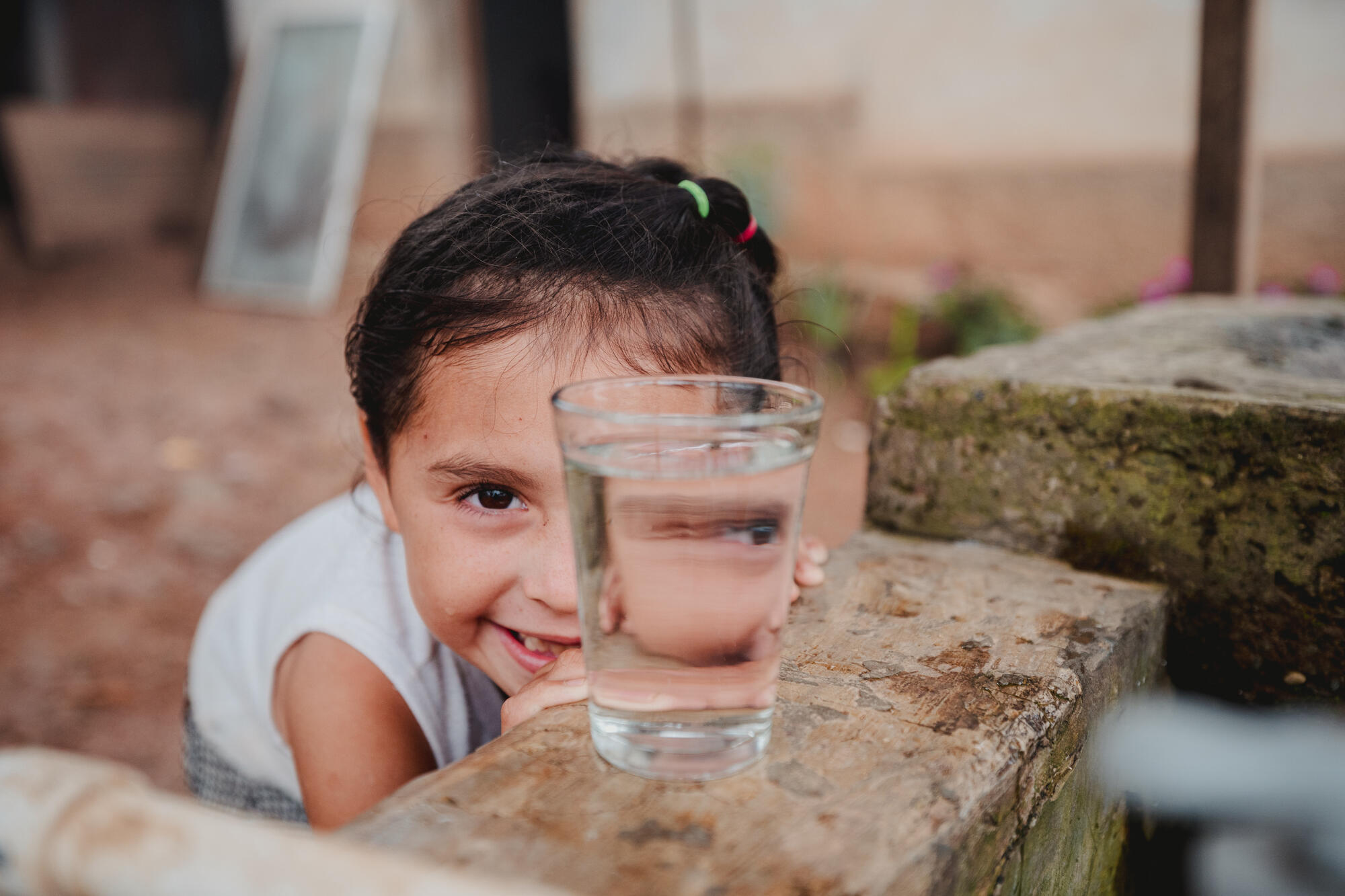
Girl from Honduras smiles while crouching behind a glass of clean water on a wall.

WORLD WATER DAY: CLEAN WATER CHANGES LIVES

Learn more about this day and how we're reaching children with clean water.

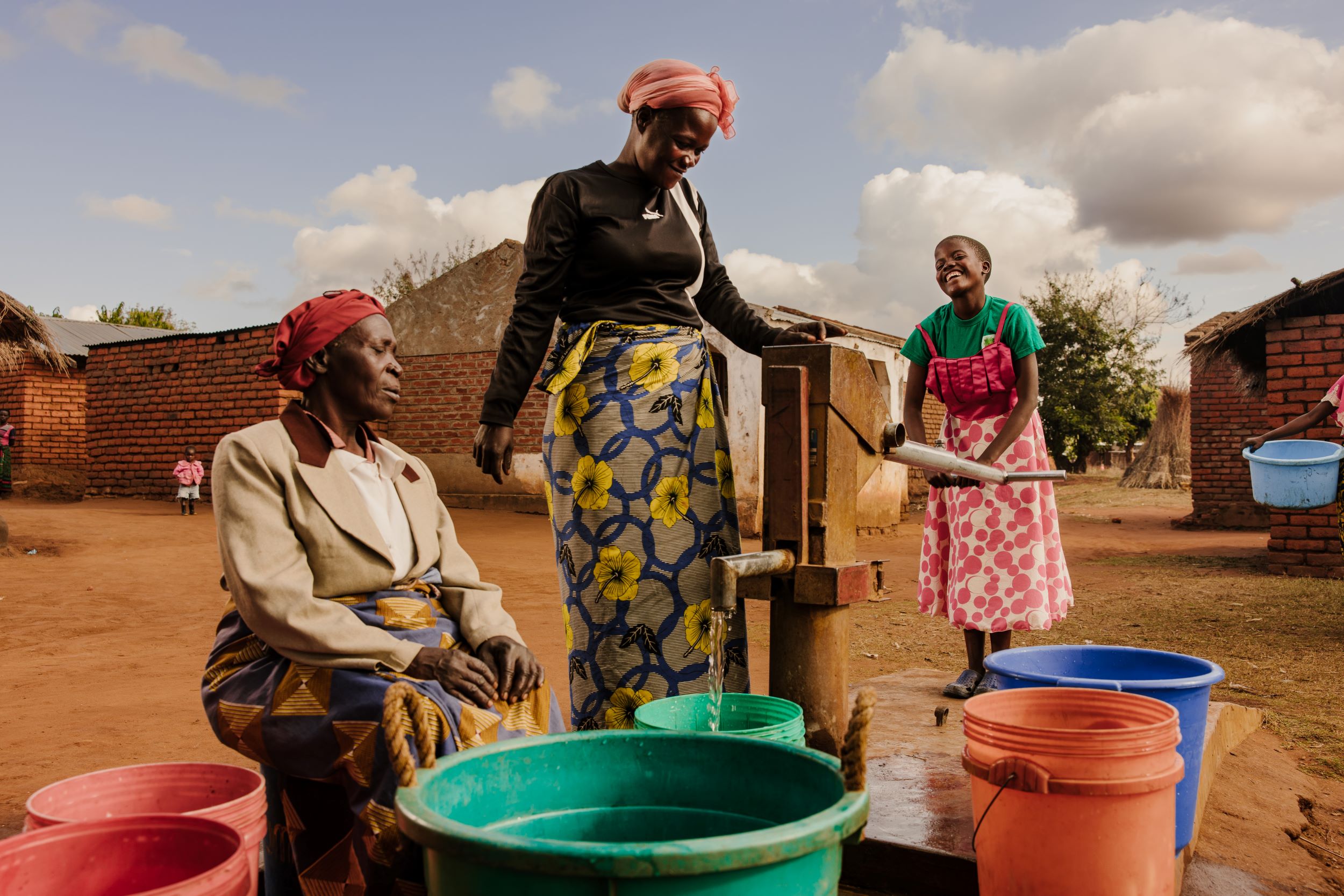
Clean water and proper sanitation are essential for children to grow up happy and healthy but according to the United Nations, 2.2 billion people are living without safely managed drinking water. Millions of children, often girls, are forced to walk an average of six kilometres (or 3.7 miles) every day to find water. Water that isn’t even safe or clean.

As a clean water charity, World Vision is partnering with communities to reach more children with clean water and provide long-term solutions to water scarcity. Water scarcity is predicted to increase due to population growth and climate change. 

Learn more about World Water Day and how you can protect children from waterborne diseases and preventable thirst.

What is World Water Day?

World Water Day is an international day held to raise awareness of the need for access to safe and clean water. It is an annual United Nations observance highlighting the critical importance of freshwater.

It serves as a global call to action to tackle the water crisis, advocating for the sustainable management of freshwater resources. The day focuses on accelerating change to solve the water and sanitation crisis, raising awareness for the 2.2 billion people living without access to safe water. It inspires individuals and organisations worldwide to take action and ensure that clean water becomes a reality for everyone, everywhere.
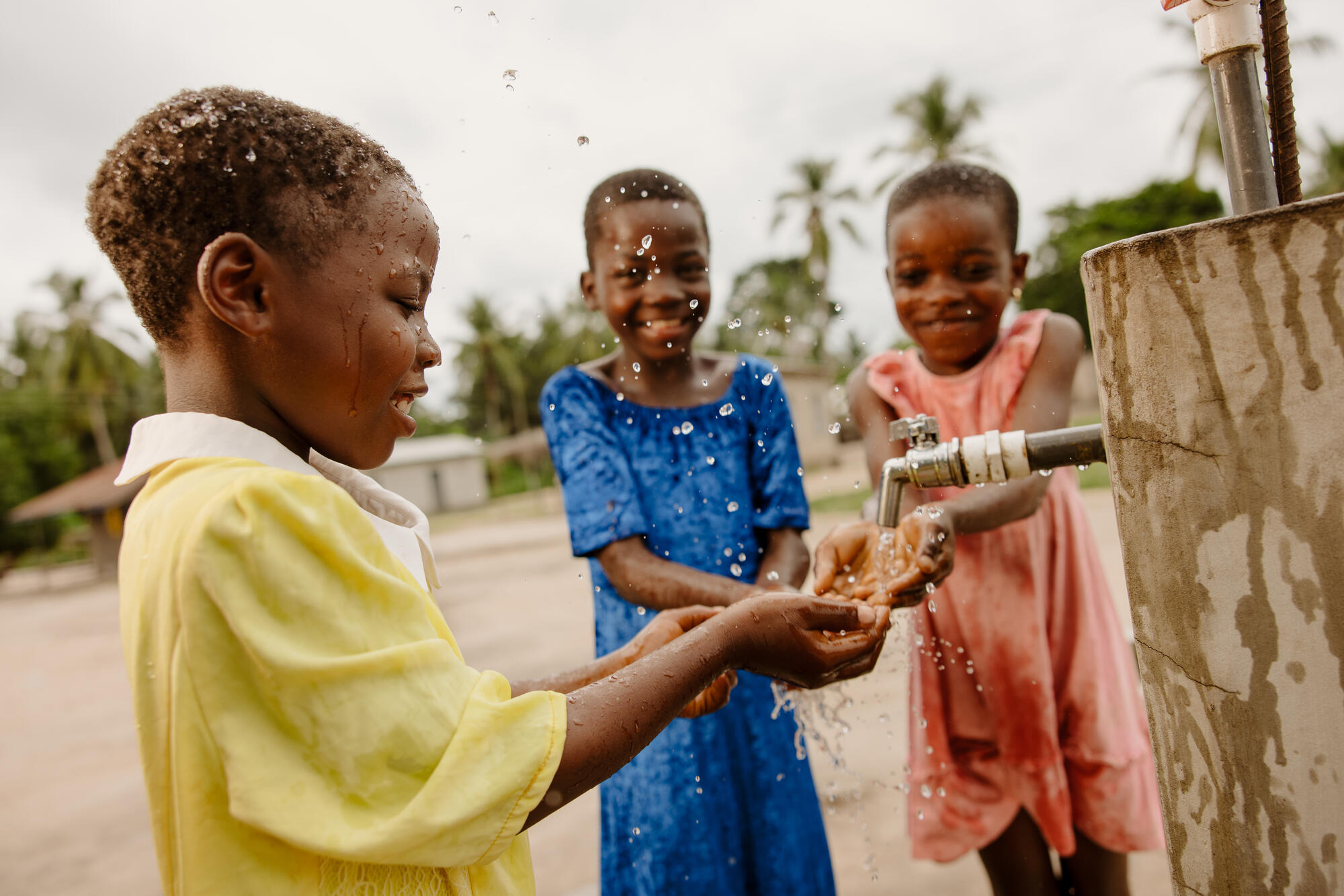
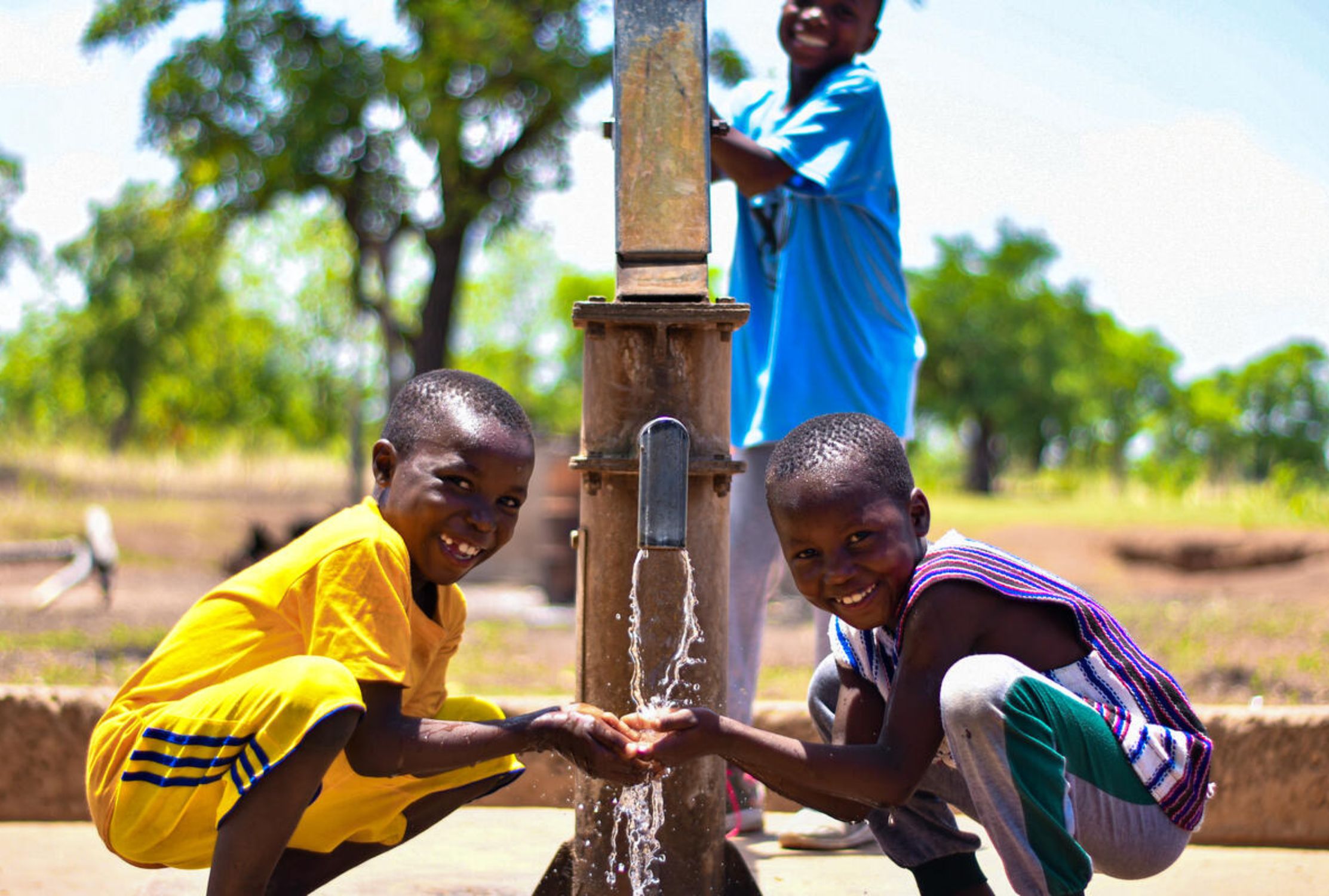
Children in Ghana laugh as they wash their hands beneath a tap
Children enjoy playing in clean water at their school thanks to new mechanised water system.

When is World Water Day?

World Water Day is on 22 March 2026.

Each year, the World Day for Water falls on the 22 March. The day was formally proposed in 1992 at the United Nations Conference on Environment and Development in Rio de Janeiro by the United Nations General Assembly, and it was adopted the year after as an annual observance day focusing on the importance of fresh water.

What is the theme of World Water Day 2026?

The theme for World Water Day 2026 is 'Water and Gender.' This theme underscores the disproportionate impact of water scarcity on women and girls, and highlights the vital role they play in water management and community stability.

Water's role in gender equality

Access to clean water is fundamentally linked to gender equality. In many developing communities, the burden of collecting water falls overwhelmingly on women and girls.

  • Lost education: When girls spend hours each day walking to distant water sources, they miss valuable time in the classroom. This 'time poverty' is a major barrier to their education and future opportunities.

  • Safety risks: The journey to collect water is often long and dangerous, exposing women and girls to the risk of harassment, sexual violence and physical injury.

  • Health impact: Carrying heavy jerry cans (weighing up to 20kg) over long distances causes chronic back and neck pain, affecting women's physical health and ability to work.

By providing clean water close to home, we give girls their time back - time to learn, play and just be children.

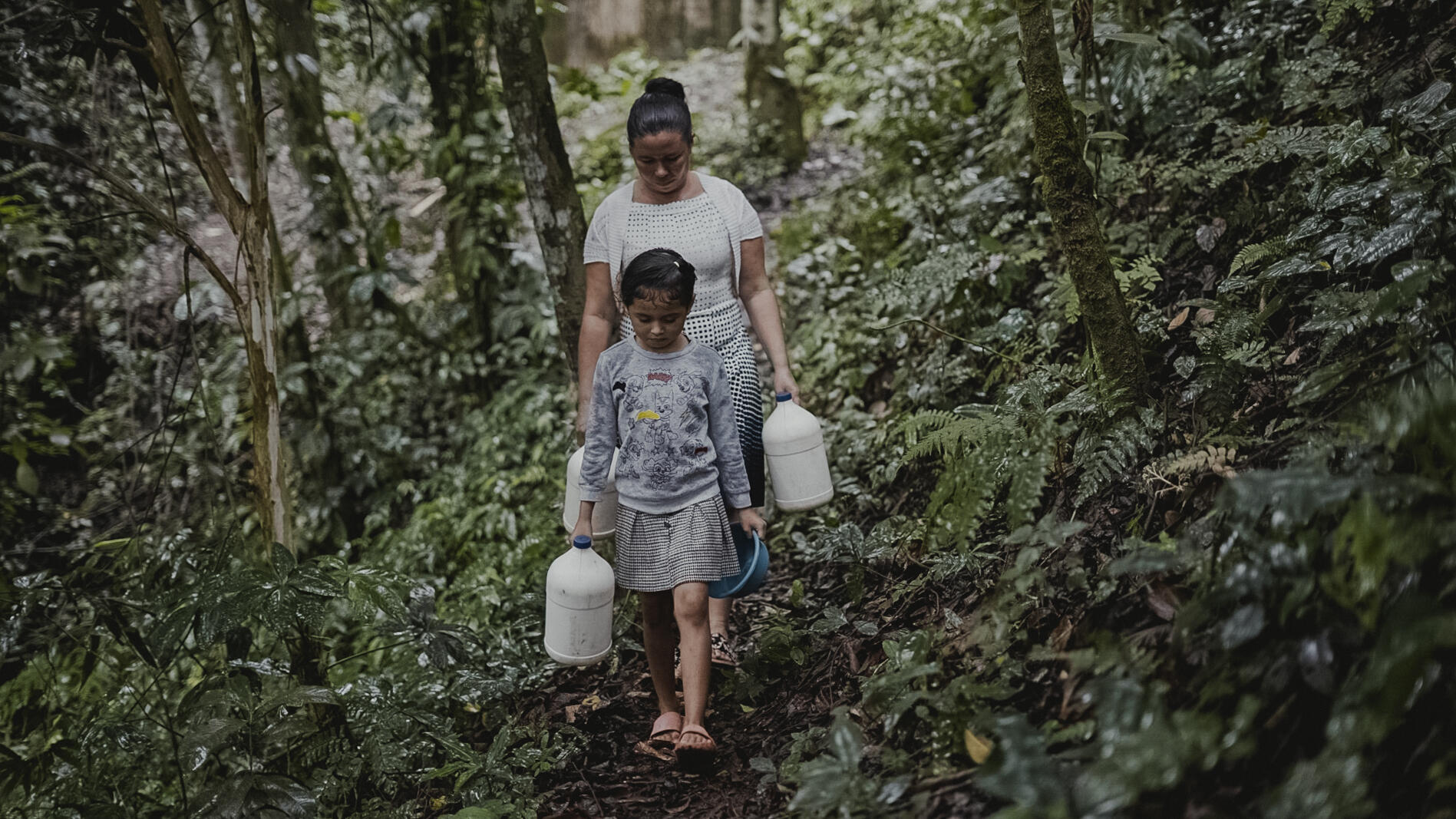
A mother and daughter in Honduras walking through woods both carrying water contrainers in their hands.
Merci and her daughter Zuany, 8, walked miles every day to collect water for their home in Honduras.

How does lack of clean water affect children?

A lack of clean water creates a cycle of poverty that is difficult to break.

  • Missed education: Children, especially girls, are pulled out of school to walk miles for water.

  • Increased disease risk: Dirty water spreads deadly diseases like cholera, dysentery, and typhoid.

  • Physical danger collecting water: The walk is often treacherous, involving steep terrain or dangerous routes.
     

"We used to chase water… now water lives with us.”

For years, families in Karla's rural Honduras community lived with constant worry: there was simply no safe water nearby. Women and girls walked up to 45 minutes along steep, dangerous paths - often twice a day - just to fill a few containers.

“There were times I went in the morning and at noon because in the afternoon it was too dangerous,” recalls Karla. “We carried the jugs on our heads or shoulders, and many times we returned with only half because it spilled along the way.”

Children were never allowed to walk alone, yet families had no choice but to make the journey, "because without water, you can't live," explains fellow mum, Mercy. At home, rainwater or well water was used for everything, even though it made children sick. “They got sick a lot because the water they could access wasn’t healthy,” explains Yaudi, World Vision staff member. Some families even left the community because life without water had become impossible.

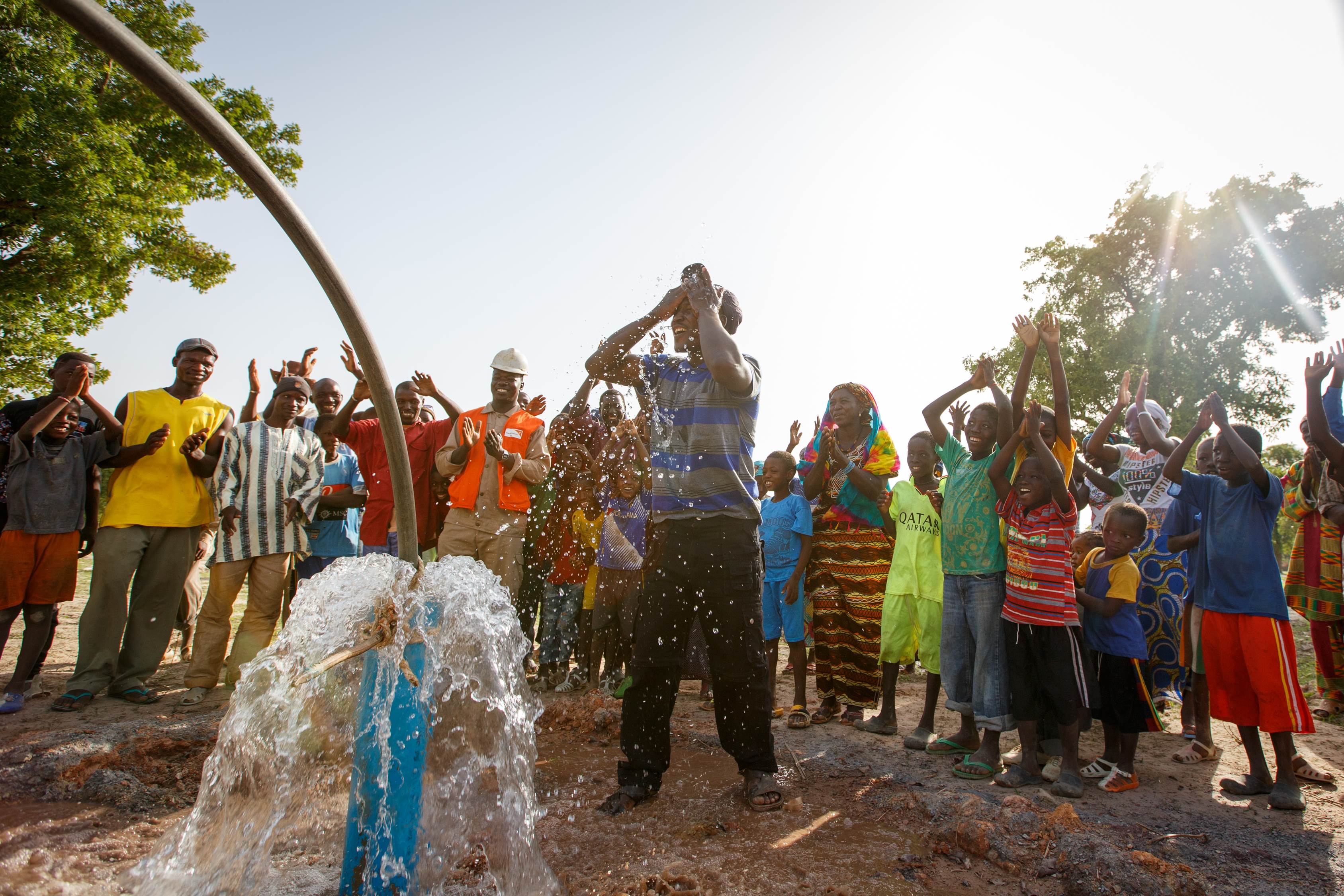
But the community never stopped hoping. After years of searching for solutions, and with support from World Vision Honduras and partners, they built a new gravity-fed water system - bringing clean, safe water directly into people's homes.

Today, the sound of water flows freely from taps. No more long walks under the sun or rain. No more fear. And illnesses have decreased.

Karla sees the difference every day: “Now we have water every day, and that changes everything.”

Clean water hasn’t just transformed daily life - it has restored dignity, safety, and hope for the future. 


READ MORE:
How clean water transforms lives

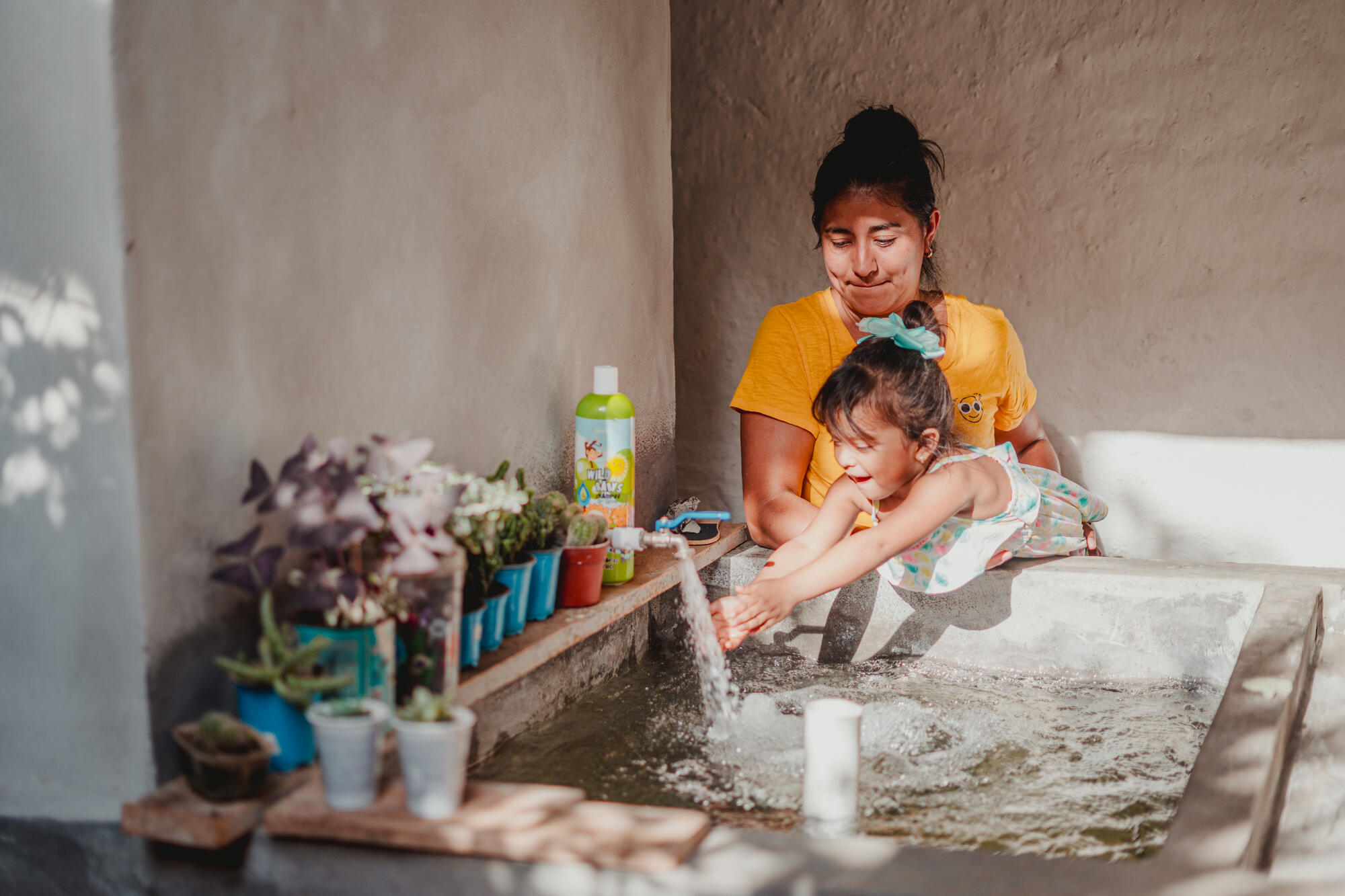
A mother holds her young daughter above a sink as the girl reaches out to run her hands under the running water form the tank.  water from a well full of dirty water and a frog
Karla and her daughter, Briana, 3, enjoy the clean running water that they now have access to at home.

How World Vision helps communities access clean water

World Vision is the largest non-governmental provider of clean water in the developing world. We don't just dig wells; we work alongside communities to build sustainable futures.

  • Drilling boreholes: We use deep-drilling rigs to access clean, safe groundwater that is free from surface contamination

  • Sanitation and hygiene (WASH): Clean water is paired with sanitation facilities (like latrines) and hygiene training to stop the spread of disease effectively.

  • Community ownership: We train local water committees to maintain and repair water points, ensuring the water keeps flowing for years to come.


How you can help on World Water Day

There are a range of ways you can take action to solve the water and sanitation crisis on the day. From taking shorter showers to writing to politicians, you can support the achievement of Sustainable Development Goal 6: water and sanitation for all by 2030. Many people and organisations also choose to voice their support online by using the hashtag #WorldWaterDay on social media.

If you’re looking to make a larger impact, you can turn the tide for children like Zuany and Briana by sponsoring a child.

Our Child Sponsorship programme works with communities to provide access to clean water, healthcare and education.  Because of our community-focused solutions, for every child you sponsor, four more will benefit too. Protecting children from dirty water and keeping them in school.

World Water Day FAQs 

  1. What is the global water crisis?

    The global water crisis involves water scarcity caused by climate change, pollution, and the inefficient or unequal distribution of water resources.

  2. Why is the 2026 theme 'Water and Gender'?

    Women and girls are disproportionately affected by the water crisis, often bearing the responsibility of collecting water and facing risks to their safety, health, and education.

  3. Where was World Water Day first celebrated?

    World Water Day was first officially celebrated in 1993, following a 1992 declaration by the UN Conference on Environment and Development in Rio de Janeiro.

  4. What is the purpose of World Water Day?

    World Water Day raises awareness about the 2.2 billion people living without access to safe water and inspires action to address the global water crisis.

About our charity water work