



3 June, 2026
90 minutes in the life of a child in the DRC
The DRC is in the World Cup this year, but what is life really like there?








The Democratic Republic of the Congo (DRC) national football team is competing in the World Cup for the first time since 1974, when the country was called Zaire.
But beyond the excitement, what is the reality for children and young people in DRC right now?
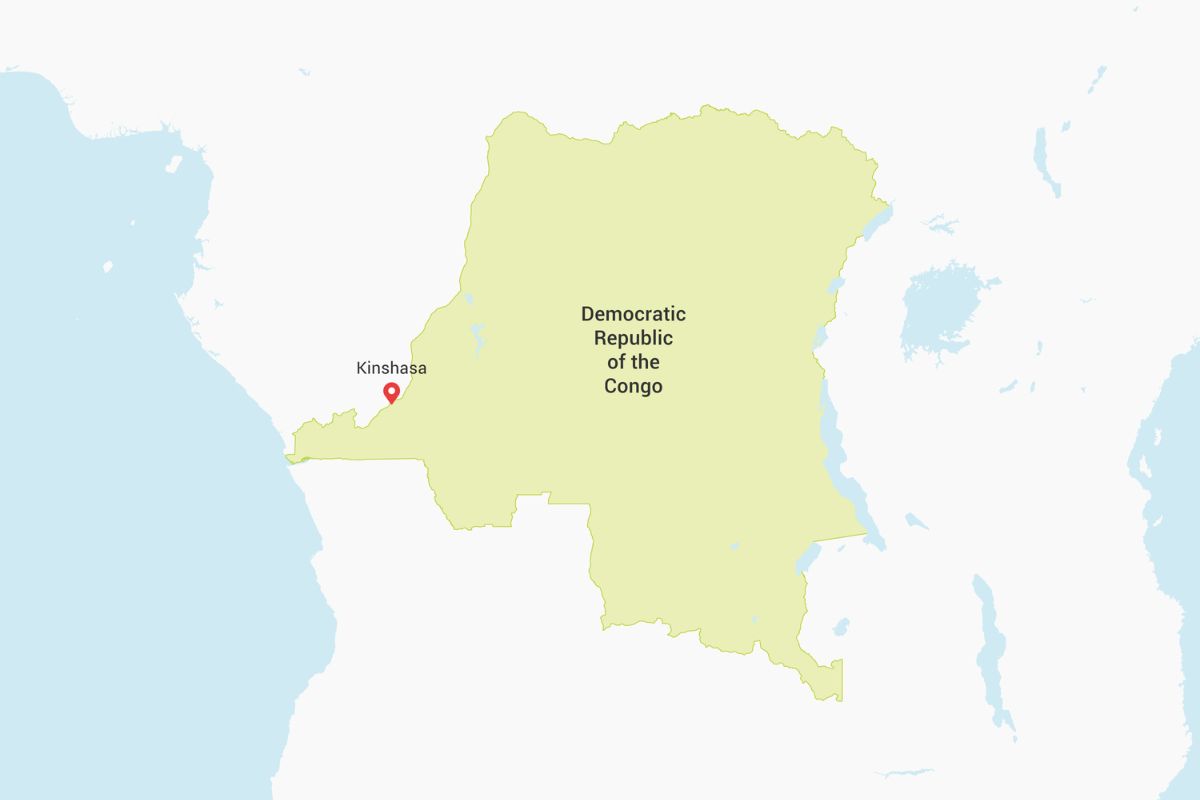
DRC is a vast and beautiful country in central Africa, home to the Congo River Basin and one of the world’s largest tropical rainforests. It is also a country shaped by decades of conflict and political instability, where fragile economic conditions and repeated crises have left many families struggling to meet their daily needs. Across the country, children are growing up amid displacement, poverty and limited access to essential services like education, healthcare and clean water.
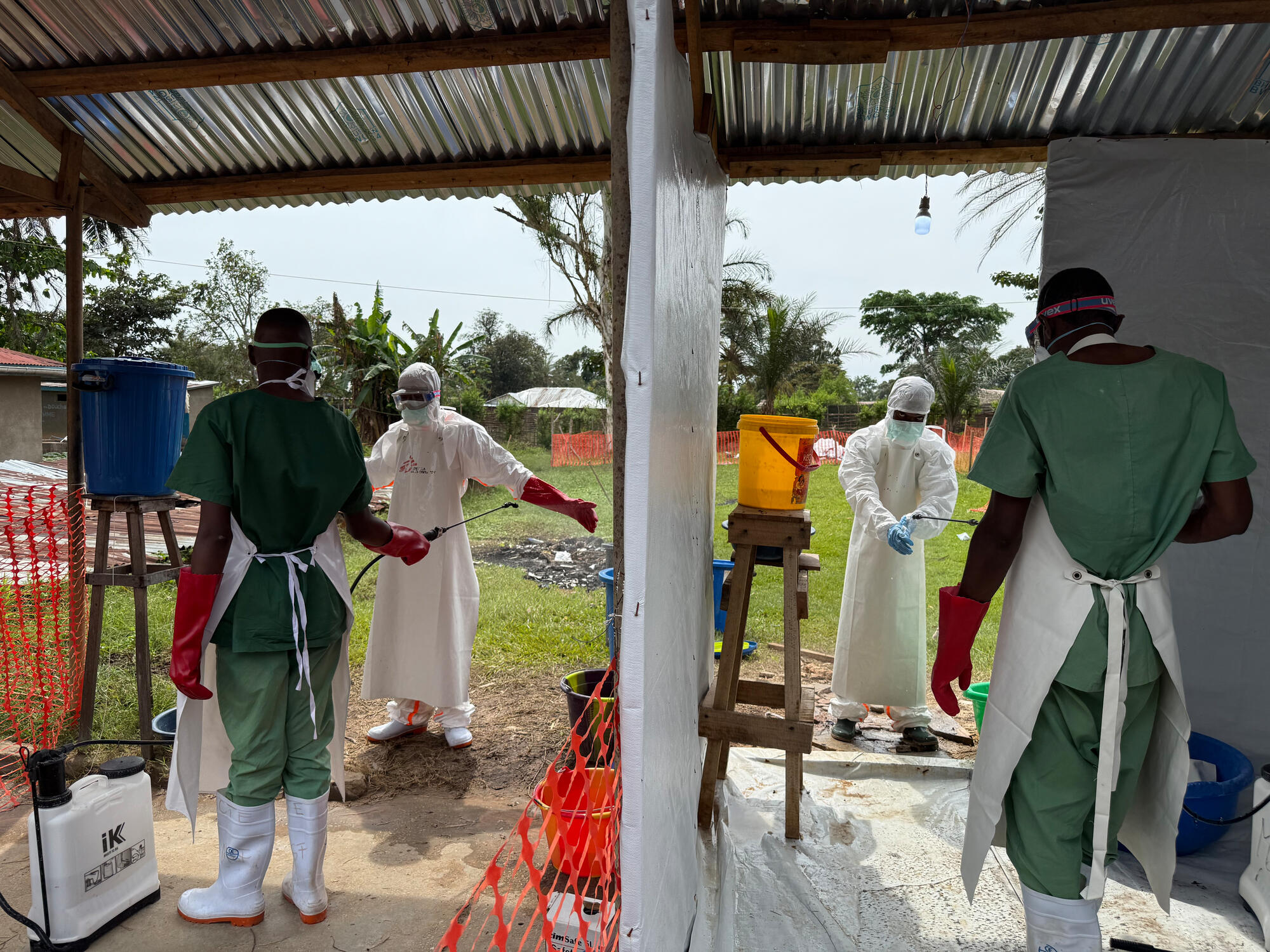
And now, a new Ebola outbreak is unfolding at an alarming rate. The virus is spreading in regions already affected by conflict and displacement, where fragile health systems and limited access to care make it harder to contain. For families already under pressure, the outbreak brings fear, disruption and added strain.
So, what does 90 minutes look like for a child or young person living in DRC right now?
Enter Immaculée. She’s 18 years old. This is her match.
Kick-off
At first light Immaculée is already moving, stepping into the street as the morning sun settles over Goma.
A few years ago, mornings looked very different. She lived in a rural village with her family in the east of DRC, studying nutrition at school and taking steps towards the future she had planned. Then conflict forced her family to flee to a camp in Goma, and that path disappeared almost overnight.
An ever-changing game
Immaculée makes her way through the narrow streets of Goma, people are already on the move around her.
This is daily life now. Fast, constantly shifting, delicate and uncertain.
When her family was displaced, they left behind more than their home. Livelihoods, stability and education fell away at the same time. Even within the camp the situation would shift constantly. When rebel forces entered Goma, families were forced to move again, dismantling shelters and leaving with no clear destination.
“We demolished our shelters, but afterwards we didn’t know where to go,” Immaculée recalls. For young people like Immaculée, this created a constant sense of uncertainty, like a match where the rules kept changing.
Half time and a new strategy
Despite the risks of staying in Goma, Immaculée made the decision to remain, moving in with her aunt rather than returning to the village.
That choice is what has brought her to this very moment: arriving at the garage where she now works.
Back when she was still living in the camp, Immaculée gained access to a training programme through World Vision that offered her another way forward. It was a chance to learn new skills and rebuild something from the ground up.
She made a bold choice. Instead of returning to nutrition, she stepped into mechanics, a field where women are rarely seen. But she stayed with it, learning hands-on, working through each stage of training, building confidence alongside her skills.

The goal
Immaculée picks up her tools and gets to work.
She graduated among the top in her group, and now she is putting those skills into practice, working as an apprentice and earning enough to support her family.
This is what the goal looks like for her, not just progress for herself, but opportunity for others too. “Today, I’m proud of the driver and car repairer I’ve become,” she shares. “That’s why I’d like to drive humanitarian aid workers on their missions to help children.”
Full-time?
Not yet.
Immaculée’s story shows how life can change. Through opportunity, determination and the chance to build something new, the direction of play can shift.
But for many children across the DRC, life remains unpredictable. Conflict continues to displace families as Ebola spreads at an alarming rate, placing additional strain on communities already under pressure. Your support today for our DRC Ebola Emergency Appeal can protect families, slow the spread, and save lives.