


1 June 2026
WHAT IS EBOLA AND WHY IS THERE CONCERN RIGHT NOW?








As a new Ebola outbreak spreads in the Democratic Republic of the Congo (DRC), here’s what you need to know and how you can help.
What is Ebola and what are the symptoms?
Ebola is a rare but severe illness, which is often fatal. It is spread through contact with infected bodily fluids, rather than being an airborne disease.
Symptoms can come on suddenly and include:
-
fever, fatigue and muscle pain
-
headache and sore throat
-
followed by vomiting, diarrhoea and abdominal pain
While vaccines exist for some strains, this current outbreak is caused by the Bundibugyo strain, for which there is no approved vaccine.
What is happening in the Ebola outbreak in the DRC right now?
The Democratic Republic of the Congo (DRC) is a country in central Africa, bordered by countries like Uganda, South Sudan and Tanzania.
It is currently suffering a very fast-moving, fast growing outbreak of Ebola.
-
There are now more than 900 suspected cases and 223 deaths (as of 29/05/2026).
-
Cases have risen rapidly, with numbers almost doubling within day
-
This is the 17th Ebola outbreak in the country.
The outbreak has also spread to neighbouring countries, including Uganda, raising concerns it could spread further. World Vision UK is rapidly upscaling its humanitarian response within DRC to help limit the spread of the deadly virus.
Why is this Ebola outbreak so dangerous and concerning?
There are several reasons this situation is particularly serious:
-
The virus is a new and dangerous variant with no vaccine.
-
It is spreading quickly. The World Health Organisation has confirmed that the outbreak is outpacing response efforts.
-
The country is already facing multiple crises, including conflict and other disease outbreaks including cholera, measles, and Mpox.
-
Around 5.6 million people are internally displaced, often living in crowded conditions without proper sanitation.
-
Aid cuts have weakened an already fragile health system which cannot cope with the scale of the outbreak.
Together, these factors make it much harder to contain the virus and protect communities.
What does Ebola mean for children in the DRC?
Children are often the most vulnerable in emergencies like this.
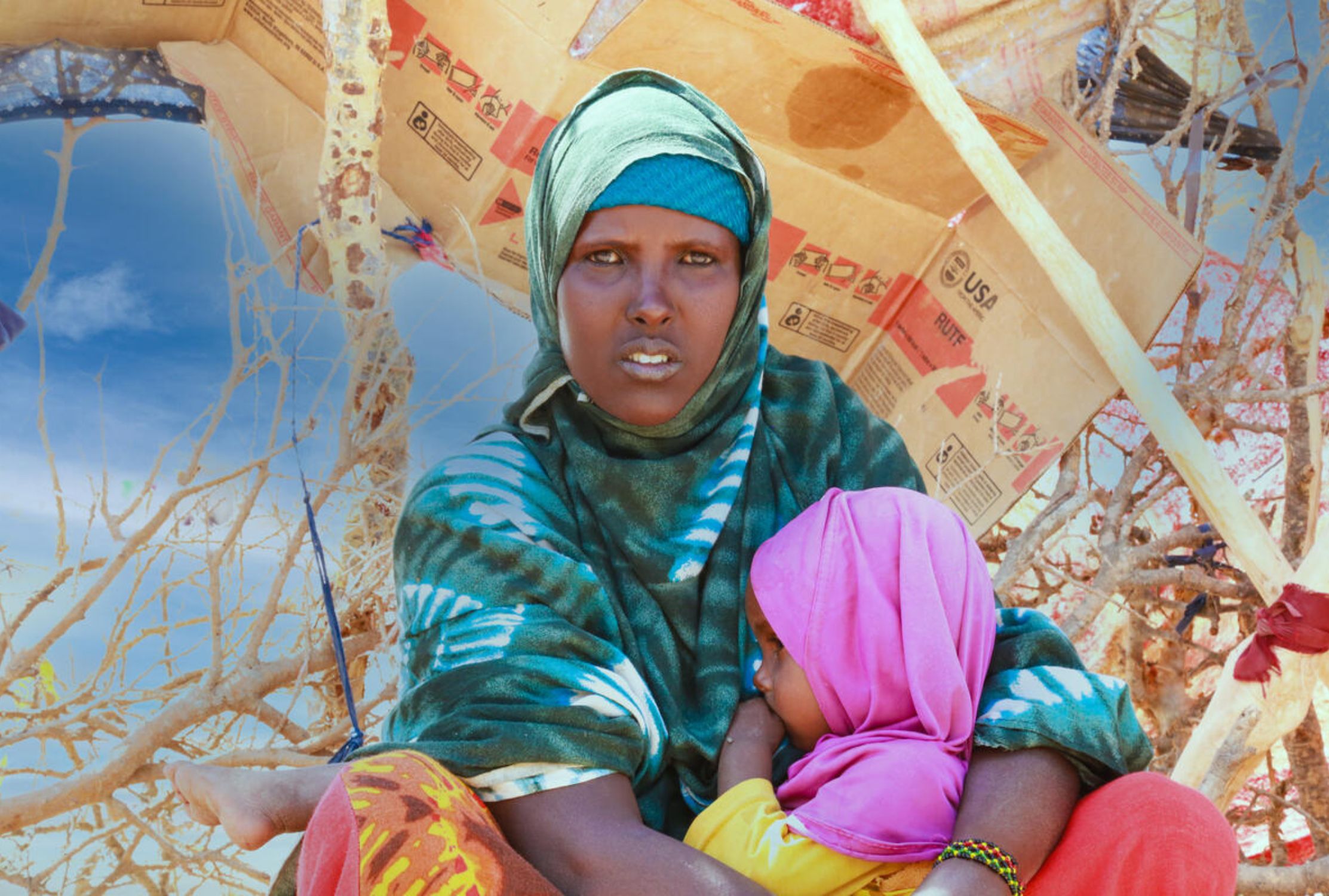
In DRC, many are already weakened by hunger, living in makeshift shelters with little protection, and now facing a deadly disease spreading in extremely difficult conditions.
As Philippe Guiton, National Director of World Vision DRC, explains: “For children, the risks are especially acute… Years of conflict have weakened community systems, and acute malnutrition has left many young bodies too fragile to withstand a virus as aggressive as Ebola. This outbreak is not happening in isolation. It is unfolding in a province already stretched to its limits.”
How is World Vision responding to the Ebola outbreak?
With over 40 years in DRC, World Vision’s experienced local teams are rooted in the communities they serve and backed by global expertise. They’re acting quickly and effectively, reaching people with the vital care, protection, and information they need to survive.
World Vision has a long history of responding to Ebola outbreaks across Africa.
In previous outbreaks, teams trained community and faith leaders to deliver life-saving information, helping to counter misinformation and build trust.
This approach had a huge impact, helping to save lives by stopping the spread of disease early
Today, teams in the DRC are:
-
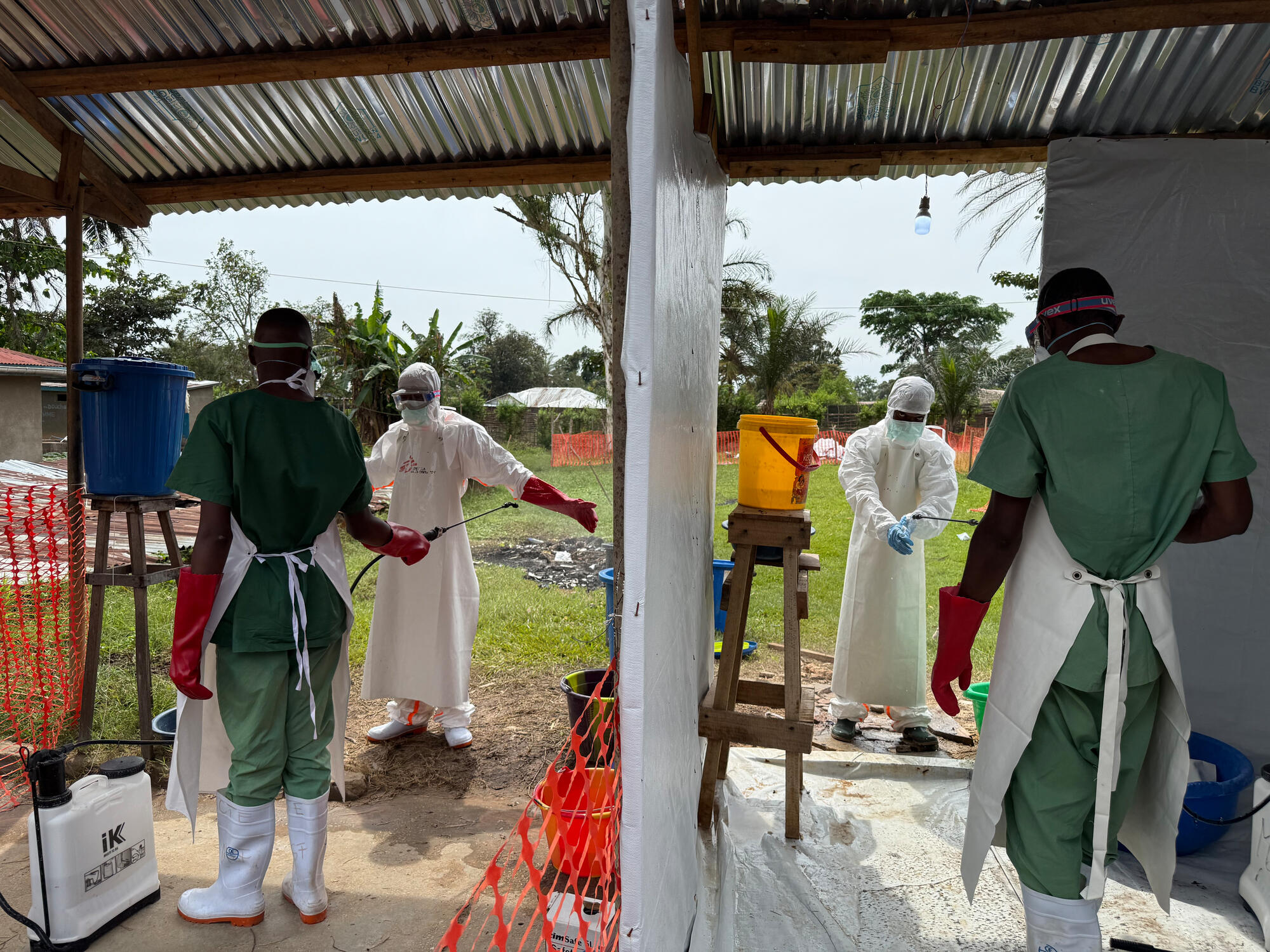
promoting hygiene and sanitation practices.
-
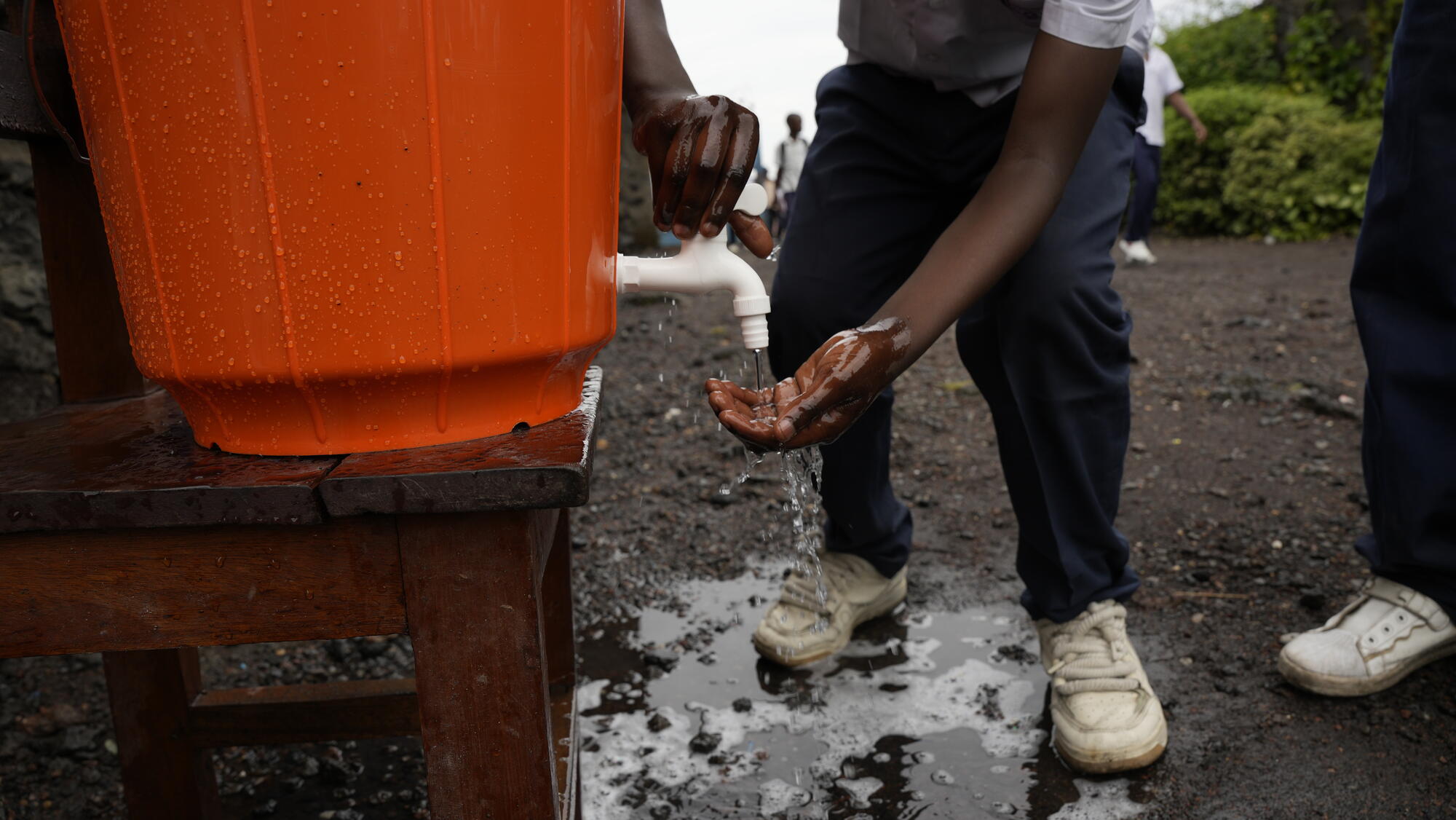
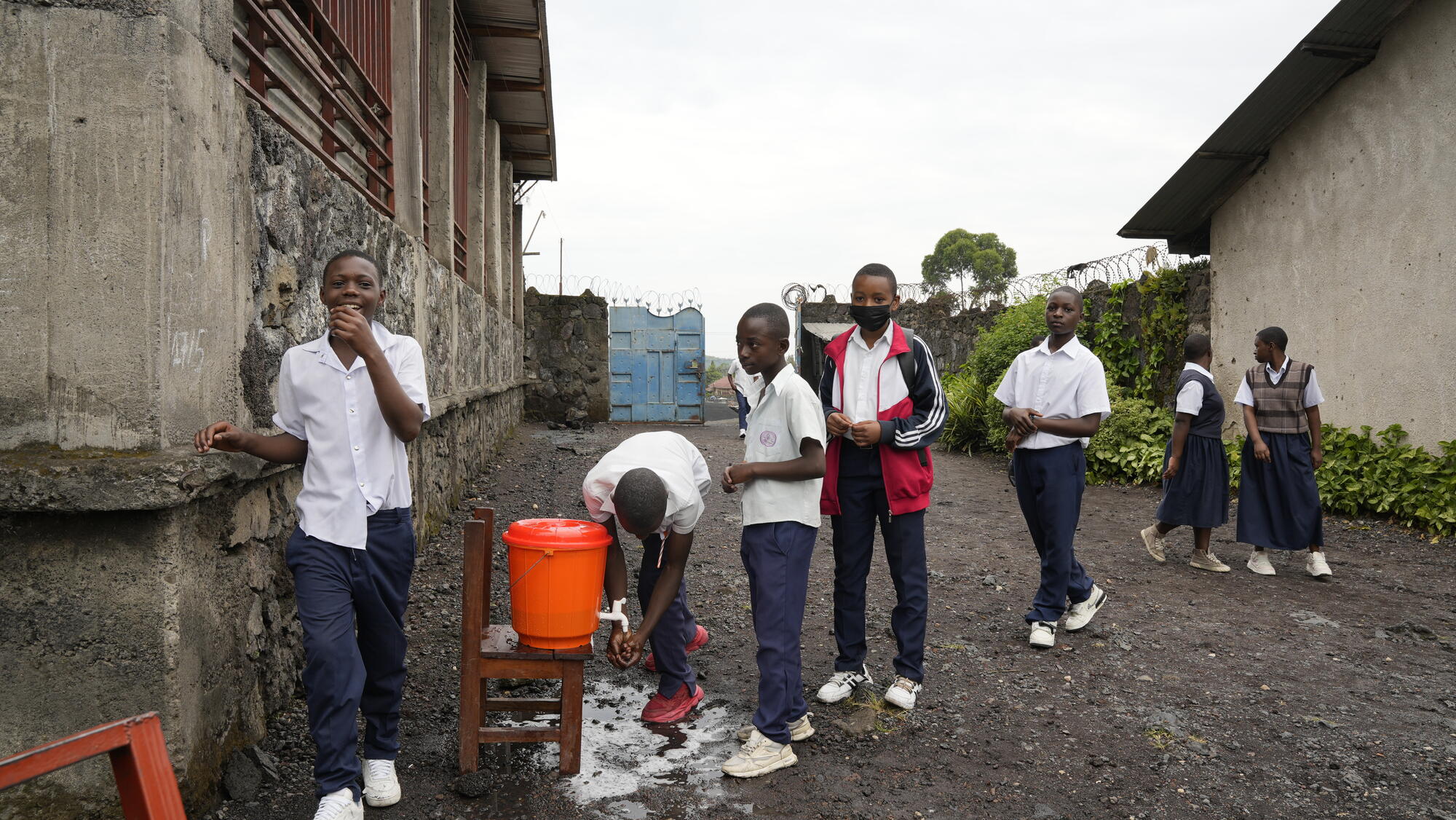
supporting access to clean water and handwashing.
-
working with communities to prevent transmission.
World Vision DRC plan to reach 1.3 million people through this emergency response.
How can you help the Ebola emergency response?
World Vision has launched an emergency appeal to support the response in the DRC.
Donations will help:
-
support water, sanitation, and hygiene (WASH) measures, including safe latrines, water points and handwashing stations.
-
provide education on hygiene and disease prevention.
-
enable teams to take appropriate measures to limit the spread of this outbreak and save lives.
Fast action is needed to save lives and stop the outbreak from spreading further.