


Updated: 24 July, 2026
Facts about the Venezuela earthquake
Learn how the earthquakes have impacted children and how we're responding.








What happened in Venezuela?
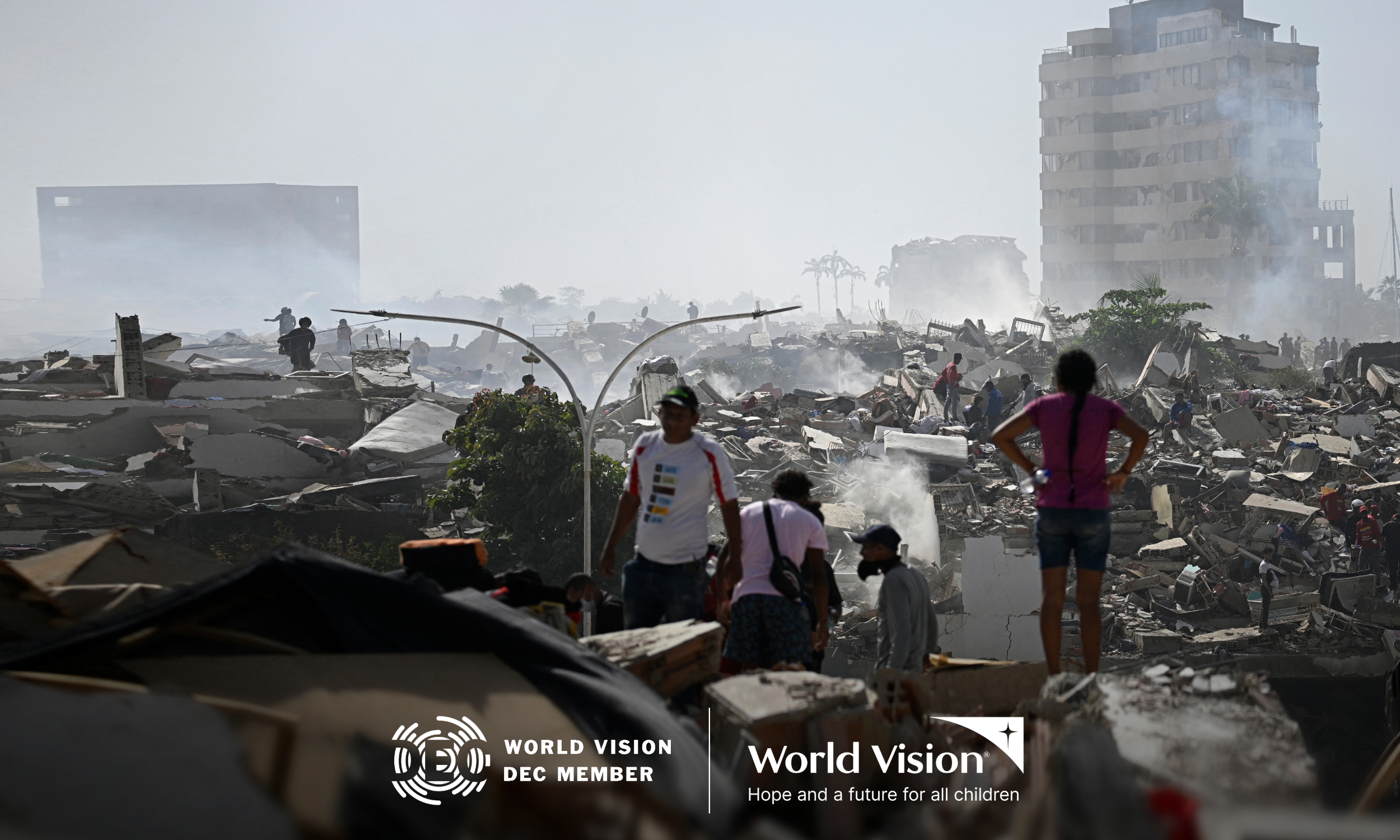
On Wednesday 24 June 2026, two powerful earthquakes struck north-central Venezuela near Caracas. The earthquakes occurred within seconds of each other and triggered widespread shaking across the country.
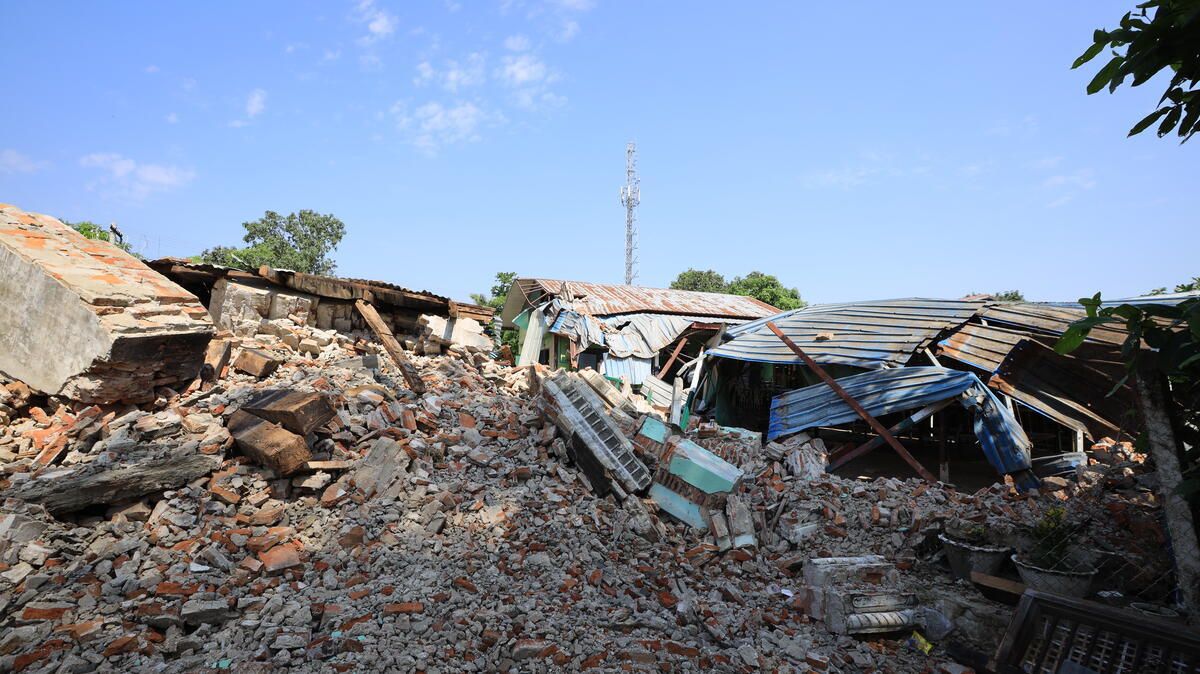
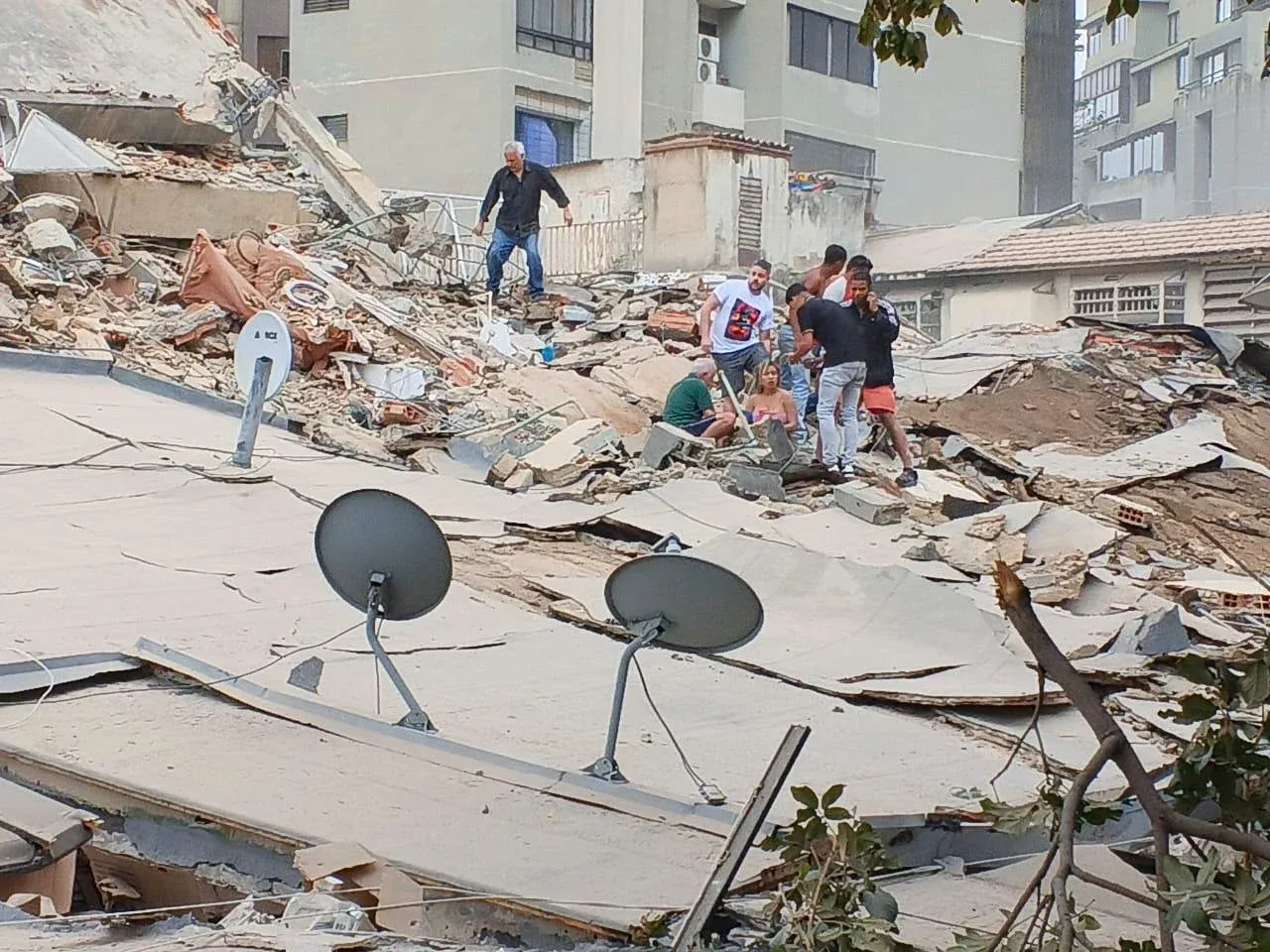
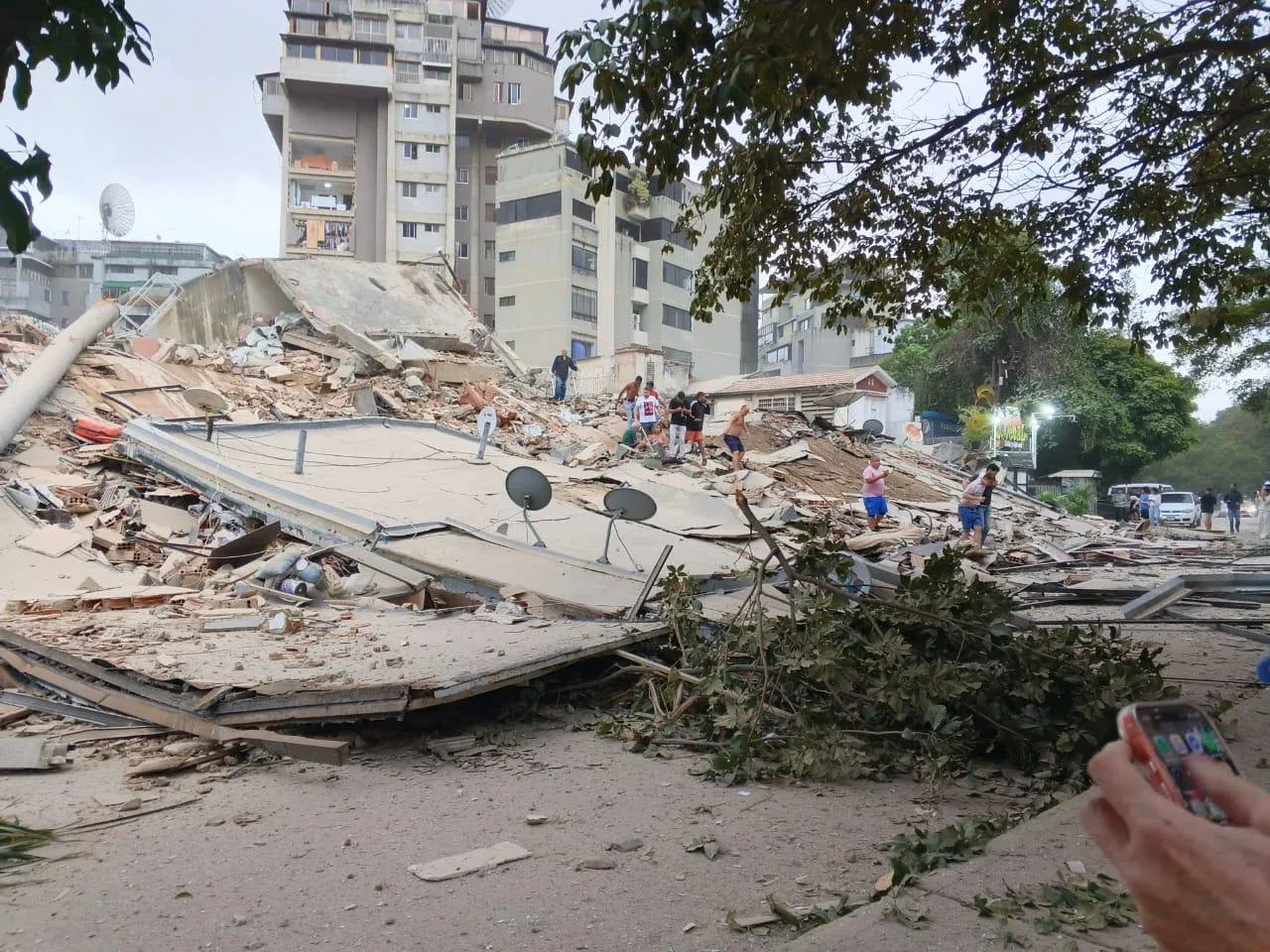
Buildings collapsed, homes were damaged and essential infrastructure was destroyed, leaving many people trapped, injured or without a safe place to stay.
As communities respond to the impact, understanding what happened, who has been affected and what support is needed is essential.
Venezuela earthquakes at a glance
The following overview provides key details about the Venezuela earthquakes, including their location, scale and the communities affected.
|
Date & Time |
24th June 2026 at 18:04 local time (23:00 BST) |
|
Epicentre |
23km south-east of Yumare, a town west of the country’s capital, Caracas |
|
Number of earthquakes |
Two earthquakes and several aftershocks |
|
Magnitude |
A 7.2 magnitude earthquake was followed 39 seconds later by a stronger 7.5 magnitude quake. |
|
Severity |
The second strongest earthquake recorded in Venezuela in the last 125 years. |
|
Areas affected |
Caracas, La Guaira, Trujillo, Yaracuy, Carabobo, Aragua and Miranda |
Where is Venezuela?
Venezuela is on the northern coast of South America, bordered by Colombia, Guyana and Brazil. The country’s capital is Caracas, which is one of the areas affected by the earthquakes.
Latest updates - what is happening in Venezuela today?
The information below reflects the latest confirmed updates available at the time of writing:
-
Loss of life: 5,398 have tragically died.
-
Injuries: 16,740 people have been injured.
-
Displacement: 17,907 families have been left homeless.
-
Aftershocks: 1,200 aftershocks have been reported by authorities.
-
Search and rescue operations: Venezuelan authorities launched search-and-rescue operations across affected areas.
-
Ongoing response efforts: Response efforts are increasingly focused on supporting families displaced from their homes.


How have the earthquakes affected people in Venezuela?
Fear, uncertainty and grief have become daily realities for families and children struggling to survive in the wake of the earthquakes.
“Thousands of people remain without a safe place to live,” writes Maribel Prada, Country Manager for World Vision Venezuela. “Their homes have been completely destroyed, and access to essential services such as safe water, electricity, gas, and communications remains severely disrupted.
“Alongside these immediate humanitarian needs, a silent emergency is unfolding: the emotional toll of the disaster. Children and their families are living through days marked by fear, uncertainty, and grief. Many are showing signs of anxiety, distress, and irritability after losing their homes, their belongings, and, in many cases, their loved ones.
“Witnessing the parents struggle through this tragedy further increases children's vulnerability.”
How is the earthquake impacting children?
Children are among the most vulnerable in disasters like this.
Even before the earthquake, many families in Venezuela were already struggling. 79 million people needed humanitarian assistance and over 90% of households faced shortages in basic services.
Now the earthquake is likely to further disrupt children's lives by:
-
Interrupting access to education
-
Increasing risks to safety and protection
-
Limiting access to food, clean water and healthcare
For children, the impact goes beyond the immediate crisis, affecting their safety, wellbeing and future.
How is World Vision helping people in Venezuela?
World Vision has been working in Venezuela since 2019, supporting work in all 23 states through 300 employees and 2,000 churches and community volunteers.
With a strong local presence and trusted community networks, essential support can reach children and families quickly when it’s needed most.
In response to the earthquakes, World Vision immediately activated its incident teams. Current actions include:
-
Monitoring conditions across affected regions.
-
Coordinating response efforts between teams in Venezuela and Colombia.
-
Gathering information on community impacts and humanitarian needs.
-
Delivering emergency response activities, including food parcels, hygiene kits and child protection services.
Over 35,000 people have already been reached with emergency food, hygiene supplies and other essential aid. Two Child Friendly Spaces have been established in the capital, Caracas, to support children as they recover, play and receive vital psychosocial support.
But the need is great and continuing to grow.
"We are in constant contact with our staff in the affected areas to assess their situation, provide the necessary assistance, and ensure they have the support they need,” says Peter Gape, World Vision’s National Director for Colombia and Venezuela.
“We offer our prayers for all those affected by this earthquake and reaffirm our commitment to respond with solidarity, hope, and compassion in the face of this emergency.”
How you can help people affected by the Venezuelan earthquakes
World Vision UK is part of the DEC (Disasters Emergencies Committee), which has launched an emergency appeal to help those affected.
Your gift today can help provide:
-
hygiene kits to help meet families' basic needs
-
emergency food parcels
-
emergency water kits
- child protection services
Donate now to help children and families affected by the Venezuela earthquake.
Frequently asked questions about the Venezuelan earthquakes
-
What caused the Venezuela earthquakes?
Venezuela sits near the boundary between the Caribbean and South American tectonic plates. Over time, movement between these plates can cause stress and friction to build up.
The Venezuela earthquakes happened when this built-up energy was suddenly released, causing the ground to shake.
-
Why did the Venezuela earthquakes cause so much damage?
The Venezuela earthquakes caused so much damage for a few reasons:
Shallow depth: These earthquakes occurred only 10km below the earth’s surface. Shallow earthquakes often cause stronger shaking at the surface because seismic waves have less distance to travel before reaching buildings and communities.
Two powerful earthquakes occurring close together: The earthquakes struck within seconds of each other, causing prolonged and intense shaking. The first earthquake may have weakened buildings and infrastructure, making them more vulnerable to further damage from the second quake.
Strength of the earthquakes: The earthquakes reached magnitudes of 7.2 and 7.5 on the Moment Magnitude Scale. These magnitudes are classified as major earthquakes capable of causing significant damage and loss of life. -
Could the Venezuela earthquakes cause a tsunami?
No tsunami warnings were issued after the earthquakes in Venezuela.
The earthquakes occurred along strike-slip faults, where tectonic plates move horizontally past each other, rather than causing significant vertical movement of the seabed. Because tsunamis are usually caused by sudden vertical movement, strike-slip earthquakes are less likely to cause them.