


24 September 2026
What girls' empowerment looks like in practice
One girl's journey from child marriage risk to community leader.








Girls' empowerment is often talked about as a goal. But what does it actually look like in practice?
At its heart, empowerment means that girls have the knowledge, confidence, opportunities and support they need to make informed choices about their own lives and futures.
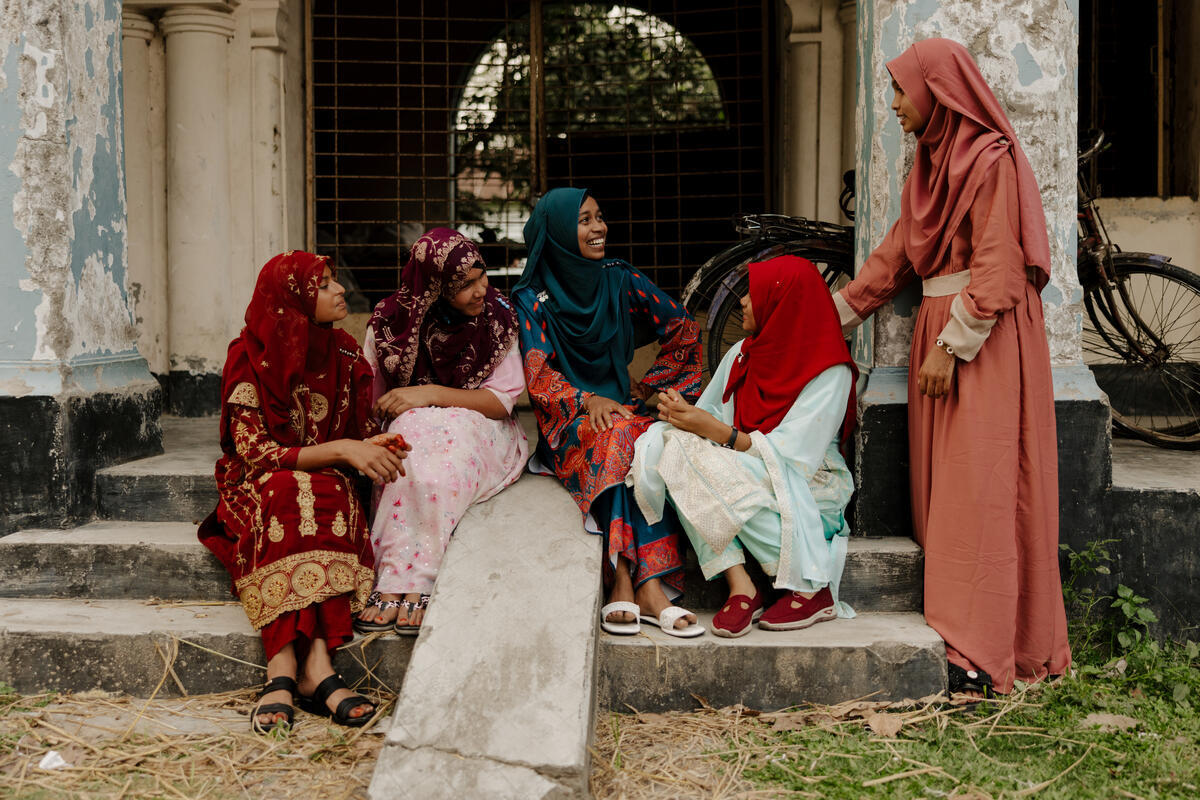
It can mean staying in education, delaying marriage, speaking up for their rights or taking on leadership roles within their community. It can mean having the confidence to challenge expectations and pursue their ambitions.
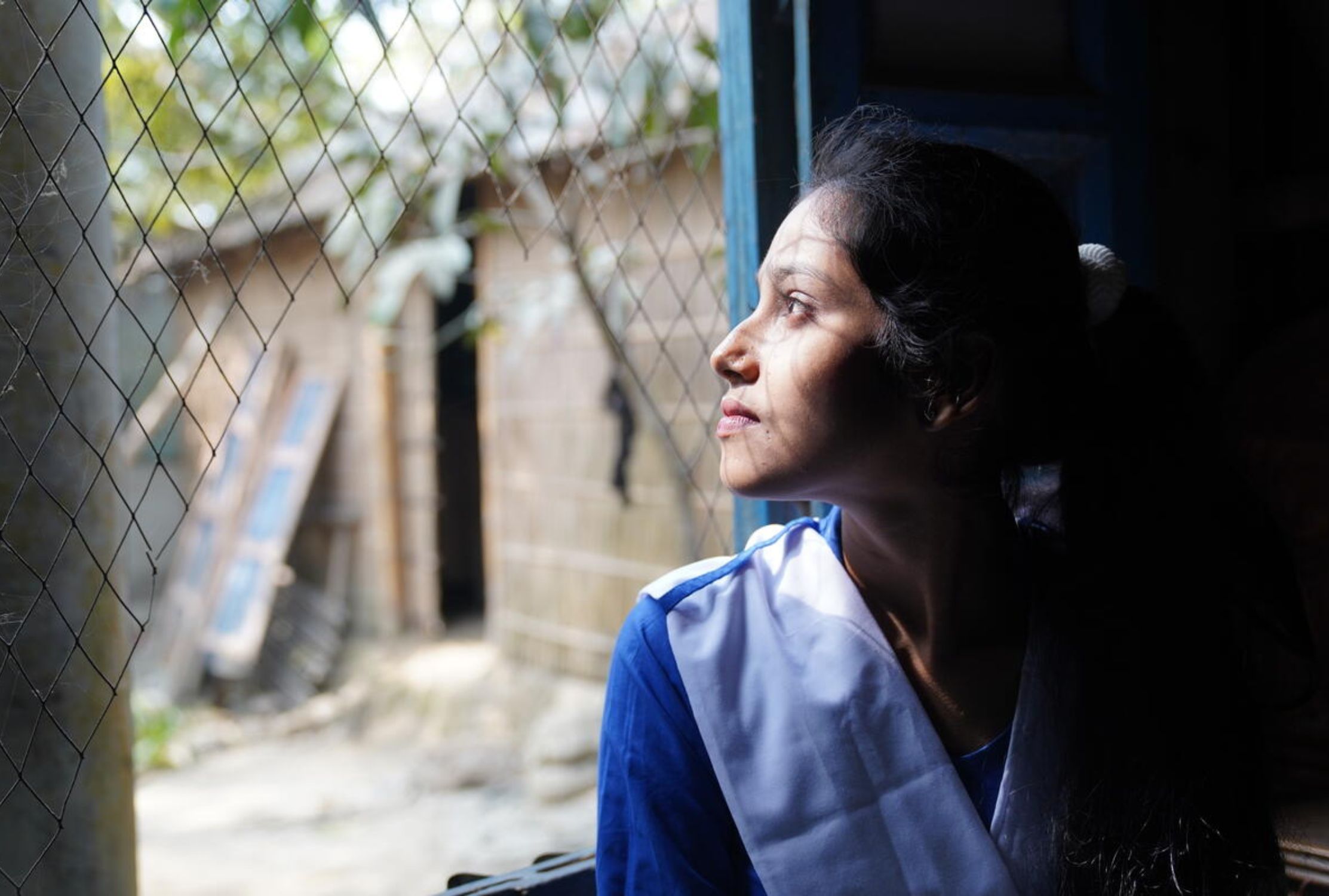
For Misu, empowerment began with a simple but life-changing decision: refusing to let child marriage decide her future. Today, she is helping other girls do the same.
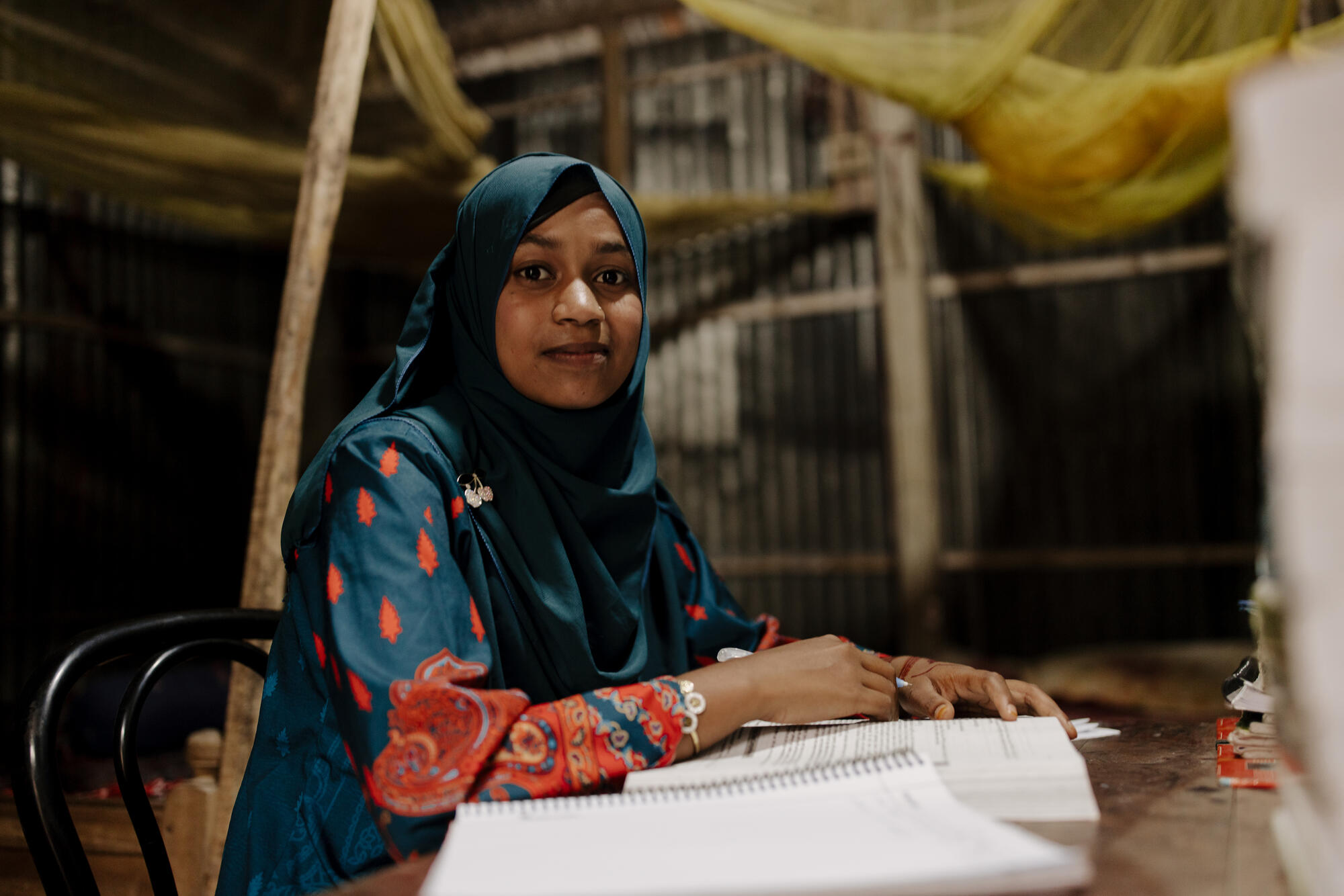
 Never consider yourself insignificant. Never lose heart; remain steadfast in your dreams and stay focused on achieving them.
Misu
17-years-old, Bangladesh
She refused to let child marriage define her future
Empowerment starts with believing that your future belongs to you.
For Misu, that future was filled with possibility. She dreamed of becoming a lawyer, standing up for women and children who had been treated unfairly, and helping girls stay in school and choose their own futures.
But for millions of girls around the world, opportunities to make those choices are limited long before they reach adulthood.
Misu knows what that feels like.
At just 17 years old, she is already leading the fight against child marriage in her community in northern Bangladesh. But only a few years ago, she was facing the same threat herself.
When poverty made child marriage seem like the only option
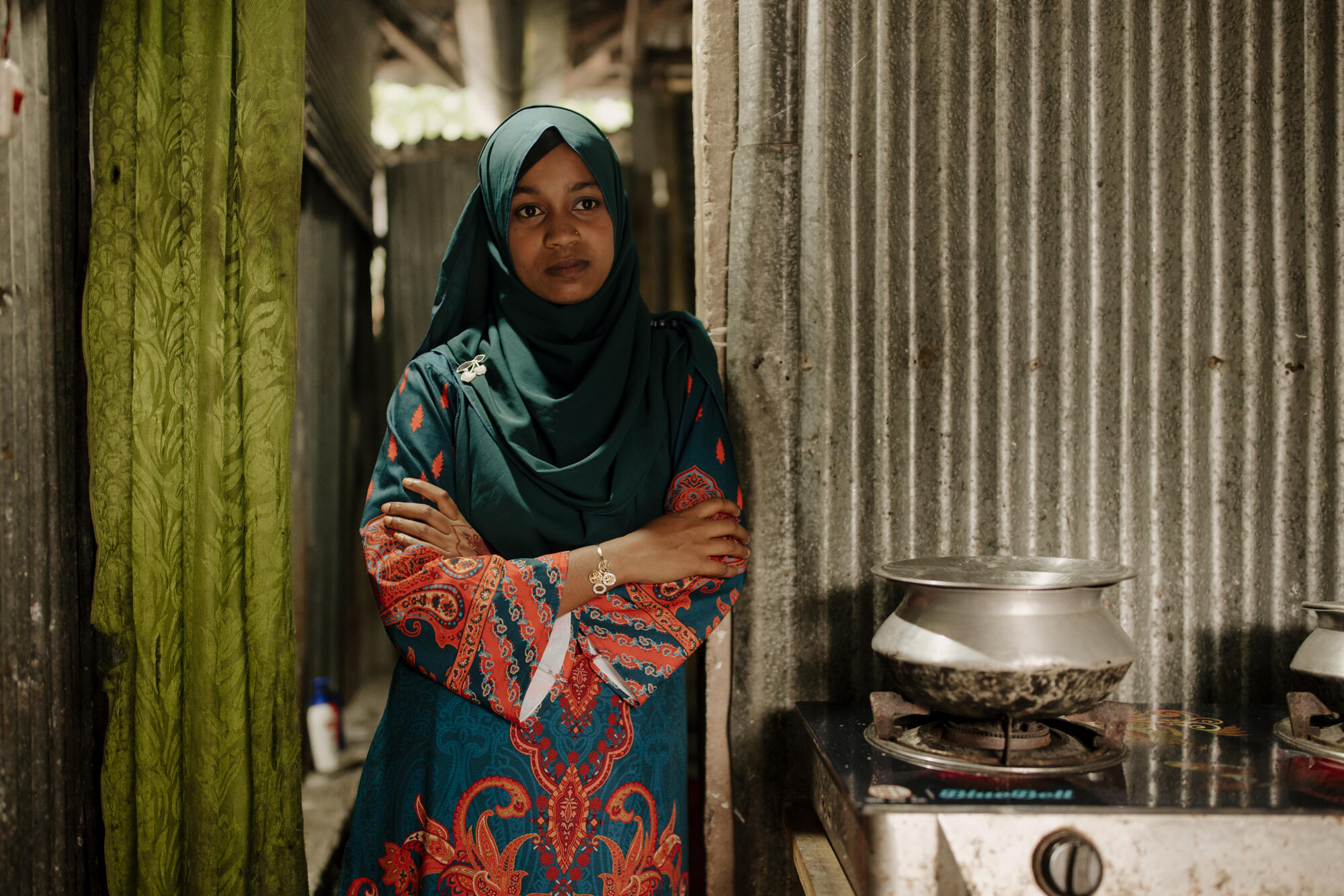
"My childhood was defined by poverty," Misu recalls. "If we had a decent meal one day, we had to be extremely frugal the next."
Growing up, financial hardship touched every part of family life. Like many families in Bangladesh, Misu's parents faced impossible choices as they struggled to make ends meet.
Bangladesh has one of the highest rates of child marriage in the world, with more than half of girls married before the age of 18. Poverty is one of the biggest drivers, with girls from the poorest households typically marrying much younger than those from wealthier families.
Misu's family believed an early marriage would ease their burden.
"Due to social prejudices, my family tried to marry me off," she explains. "Influenced by others, they thought marrying off a daughter would ease their burdens."
But Misu wanted something different.
"When I was a secondary school student, my family proposed my marriage. At that time, only one thought occupied my mind: child marriage is a deadly scourge. I refused to be a victim of it and chose to move forward through education."
Finding her voice and discovering her rights
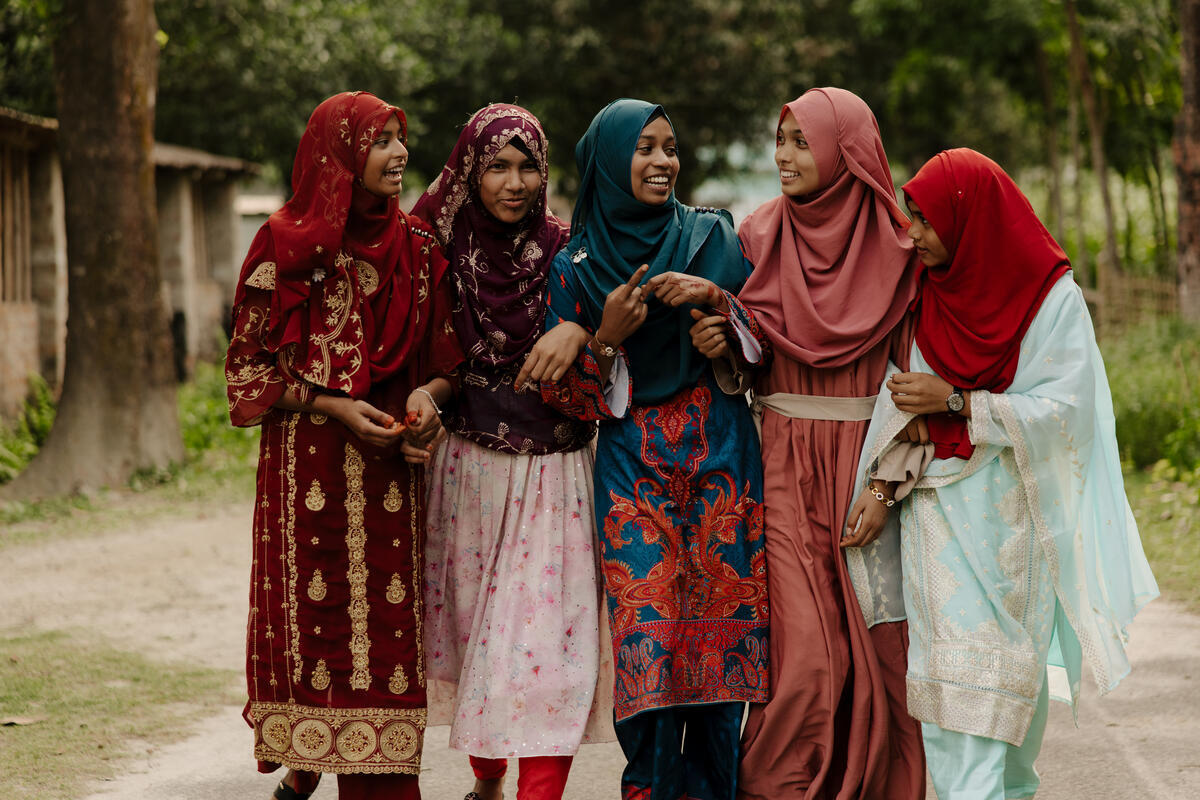
Through World Vision's Child Forum, Misu learned about child rights, leadership and the harmful impacts of child marriage. She participated in leadership training, child protection sessions and activities designed to help young people find their voice and play an active role in decisions affecting their lives.
For the first time, she felt empowered to speak up, both for herself and for other girls.
"Previously, I lacked the confidence to speak in public," she says. "I used to hide and keep my opinions to myself, unable to step forward. Now, I have overcome those barriers and can lead from the front."
Armed with new confidence and knowledge, she spoke with her parents about the dangers of child marriage and the importance of continuing her education.
Eventually, they listened.
Now I am continuing my education freely, attending college, and moving forward to fulfil my dreams.
From participant to leader
For Misu, empowerment didn't stop with protecting her own future. It gave her the confidence, skills and platform to help other girls protect theirs.
"World Vision has taught me how to live a dignified life. It has shown me how to lead, how to gain courage, and how to inspire bravery in others. They have provided me with a platform where I am empowered to envision my own future."
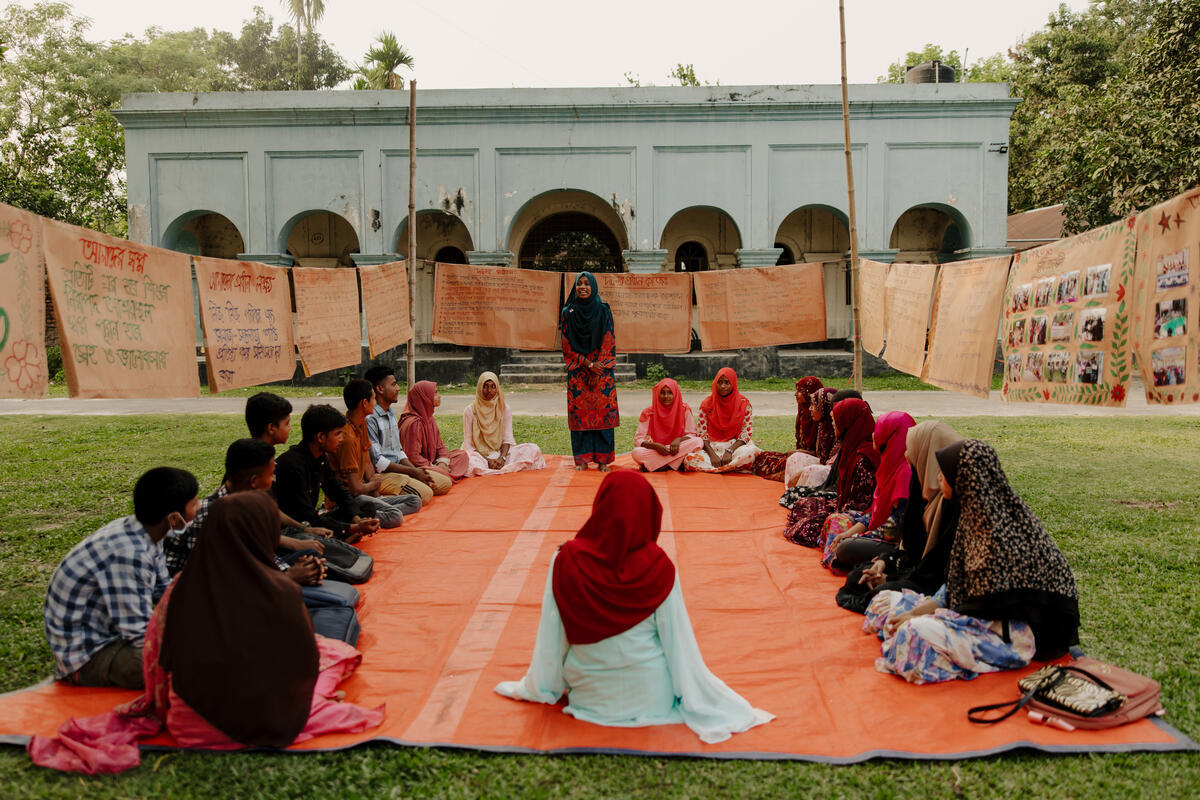
Today, Misu is president of her local child forum. Every month, she speaks with children, parents and community leaders about the dangers of child marriage and the importance of education.
"Every month, I participate in various meetings and sessions where I speak about the harmful effects of child marriage," she says. "I encourage others to pursue their studies and discuss ways to improve essential life skills."
The courage that changed Misu's future is now helping other girls protect theirs.
Creating change for other girls
Misu wants girls in her community to know that their dreams matter.
"If I had been married off, I wouldn't have been able to study properly and fulfil my dreams," she says. "I would have been burdened with the physical and mental pressures of managing a household."
Instead, she is helping create a different future for the next generation.
"I'm a girl, and this is how I'm fighting back against child marriage. I want other girls in my community to look at me and find the courage to step up, stand against early marriage, and bravely chase their dreams."
Her own dream is to become a lawyer.
"In our society, many women and children are victims of oppression yet fail to receive justice. I want to dedicate myself to standing by them and ensuring they find the justice they deserve."
Misu's story shows what can happen when a girl is given the opportunity to learn, lead and believe in her own potential.
When limits are removed, dreams can grow.
And when one girl is empowered, she can help change the future for many more.
Sponsor a girl. Help her dream without limits.
There should be no limits on a girl's future.
Child Sponsorship helps remove barriers by providing support, opportunity and a stronger community around each girl. It helps girls stay in school, build confidence, discover their potential and pursue their dreams.
Misu's story is proof of what's possible.
Today, thousands more girls are waiting for the same opportunity. Sponsor a girl today and help her create a future without limits.