
SPONSOR A CHILD
Child Sponsorship means the world to a child and their community - bringing clean water, nutritious food, education and hope.


Every day, too many children are growing up without enough food, access to clean water or the chance to go to school.
These challenges don’t just affect today. They shape a child’s whole future. But there is hope.
By sponsoring a child, you can help change a child's life and bring lasting change to their whole community. Your monthly gift helps provide clean water, healthcare, education and nutritious food - all designed to break the cycle of poverty for good.
Together, we can help children grow up healthier, safer and full of hope for the future.
Start sponsoring a child today.
 I would say to someone who is thinking about sponsoring a child - go ahead and do it; it is the most life-changing thing ever!
Shemi
Child Sponsor
Child Sponsorship is a unique partnership between you, a child and their community.
You'll be the child's only sponsor, creating a personal connection.
With others, your monthly donation changes lives providing clean water, nutritious food, education and healthcare.
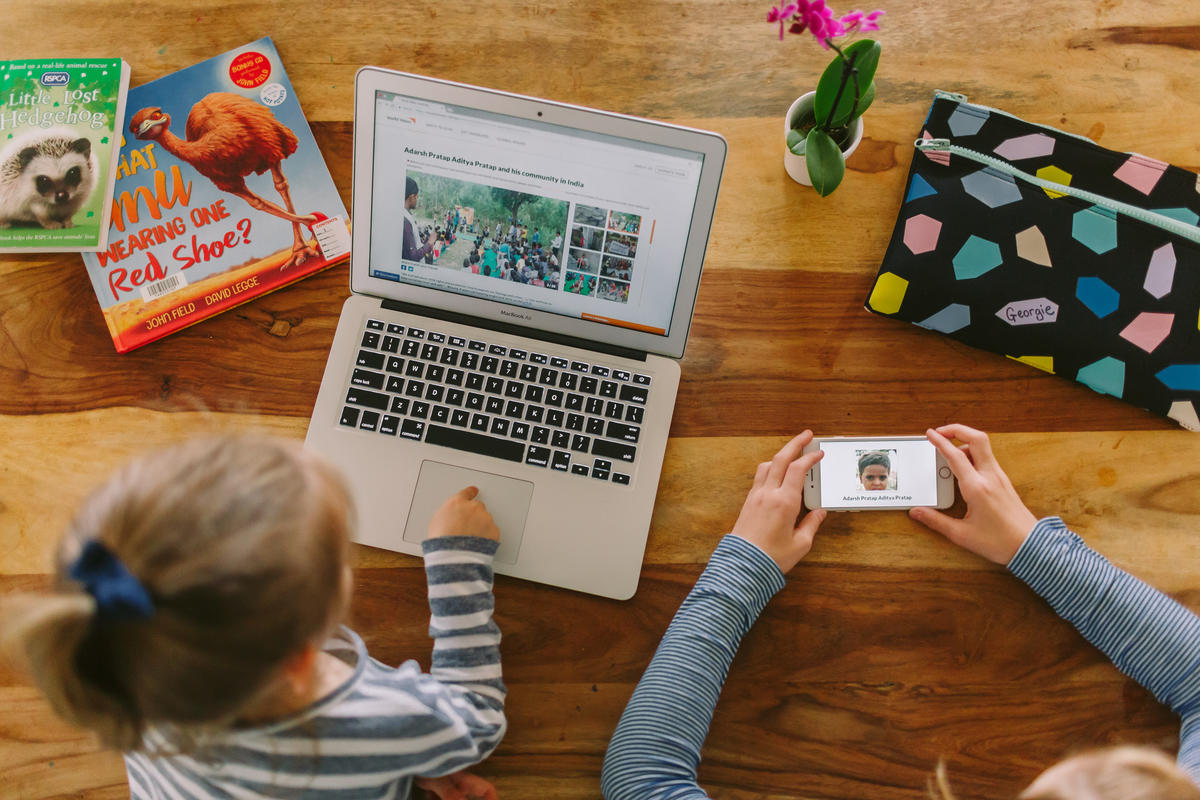
Get regular updates, photos and messages from your child, and see through their eyes the lasting change happening in their community.
When you sponsor a child, you’ll build a meaningful connection with them through letters, photos and regular updates - getting to know who they are, what matters to them, and how their world is evolving over time.
You’ll also see how your support contributes to real, positive change within their community, from improved access to essentials to new opportunities for the future.
Scroll below to see what you can expect.
This week, you’ll get access to your online My Sponsorship account, where you can explore updates, photos, and videos from your sponsored child and their community. You can start connecting in a way that feels right for you - whether that’s sending a message, sharing a photo, or simply learning more about their everyday life.
Within your first week, you’ll receive a video introducing your sponsored child’s community. It will offer a glimpse into their daily life, surroundings, and the wider context your support contributes to.
Within two weeks, your welcome pack will arrive. It will include a photo of your sponsored child and everything you need to get started, along with a postcard to help you send your first message.
Within the first 12 weeks, you’ll receive your first letter from your sponsored child, a special moment that brings your connection to life. You can reply anytime, online or by post, with messages translated and shared.
Once a year, you’ll receive an update from your sponsored child’s community, helping you understand the progress being made and the role your support plays over time.
You’ll receive an annual photo update, so you can see how your sponsored child is growing and changing as time goes on.
Each year, you’ll have the opportunity to send a birthday message. This is a simple, meaningful way to celebrate your sponsored child and stay connected.
Child Sponsorship is not about giving handouts. It empowers children and communities to grow, thrive and shape stronger futures with clean water, nutritious food, education and opportunity. Together, you build a meaningful connection that changes a child’s life and yours as well.

Gives a child the best start in life, with opportunities to learn and grow.

Taps and toilets in schools and close to home, keep children safe from diseases.

Upskilling allows families to grow nutritious food and regreen their land too.

Ensuring children have the health checks they need and medicine when sick.

Helping families build knowledge, skills and resources to support themselves.
Child Sponsorship works by connecting you with a child while supporting long-term, community-led programmes that help children, families and communities thrive.
Your monthly donation contributes to initiatives like clean water, education, healthcare, and child protection - designed in partnership with local communities to create lasting change.
As a sponsor, you’ll receive updates about your child via your World Vision My Sponsorship Account and can build a meaningful connection through messages and shared experiences.
Child Sponsorship with World Vision UK costs from £30 a month - a regular contribution that supports long-term, meaningful change.
Your monthly support helps children grow up healthy, educated, and protected, while also strengthening the communities around them.
Your monthly donation is combined with others to support community-led programmes that help children and families build stronger, more stable futures.
Rather than going directly to one child, your support contributes to long-term initiatives.
This means:
Why this approach matter
By supporting the wider community, children are more likely to grow up in safe, stable environments where progress can continue over time.
Working alongside local partners and communities ensures support is shaped by local knowledge - helping create solutions that are relevant, sustainable and built to last.
You can sponsor a child in communities across Africa and Asia, where programmes are designed in partnership with local people to support long-term development.
Each location reflects communities where there is a strong focus on supporting children and families through access to education, healthcare, clean water and sustainable livelihoods.
By sponsoring a child, you’ll be connected to one of these communities and see how your support contributes to positive change over time.
If your circumstances change and you need to stop sponsoring a child, you can do so at any time. If you are thinking about cancelling your sponsorship, please get in touch, as there may be other ways in which you can continue your support. The child you sponsor will continue to benefit from the changes in their community and we will do our best to find a new sponsor for them.
Absolutely. Many supporters choose to sponsor more than one child, extending their impact across multiple families and communities. To add another child, simply complete a new sponsorship for each child you would like to support.
The impact of Child Sponsorship goes beyond one child. It helps strengthen entire communities, creating lasting change in education, health, livelihoods and child wellbeing. Independent research proves that sponsorship delivers measurable, long-term results.
In the communities where we work:

Through our community-wide work, four more children receive vital support.
92% of the severely malnourished children we've treated made a full recovery.
Last year, we reached more than half a million people with safe water.

Last year, half a million people learned how to access child-protection services
When Priscilla was five, someone she’d never met chose to believe in her. That belief kept her in school, gave her confidence, and changed her future. Today, she changes lives as a midwife, showing how sponsorship can turn hope into lasting impact.
“Thanks to World Vision and my sponsor, I’m not just a midwife, I’m proof that with belief and support, anything is possible."
We've been trusted by people in the UK since 1978
4.5 ★★★★ Google reviews

Join a trusted global Christian charity with decades of experience.

Be part of a global movement supporting children worldwide.
Be part of change shaped by communities themselves.
Support lasting progress that continues over time.
Help create opportunities for children to grow and thrive.
Give with confidence, with clear and responsible use of funds.
Be part of a compassionate approach, open to all.
Join a shared effort creating lasting change for communities.

If you have further questions about Child Sponsorship or want our help finding a child to sponsor, we’re always happy to help.
Contact our Supporter Care Team on 01908 84 10 10 or email us at supporter@worldvision.org.uk.
Please note your regular donation amount may increase during the period of your Child Sponsorship. If this does happen, you will be clearly notified in advance and will be given the choice to not increase your donation.